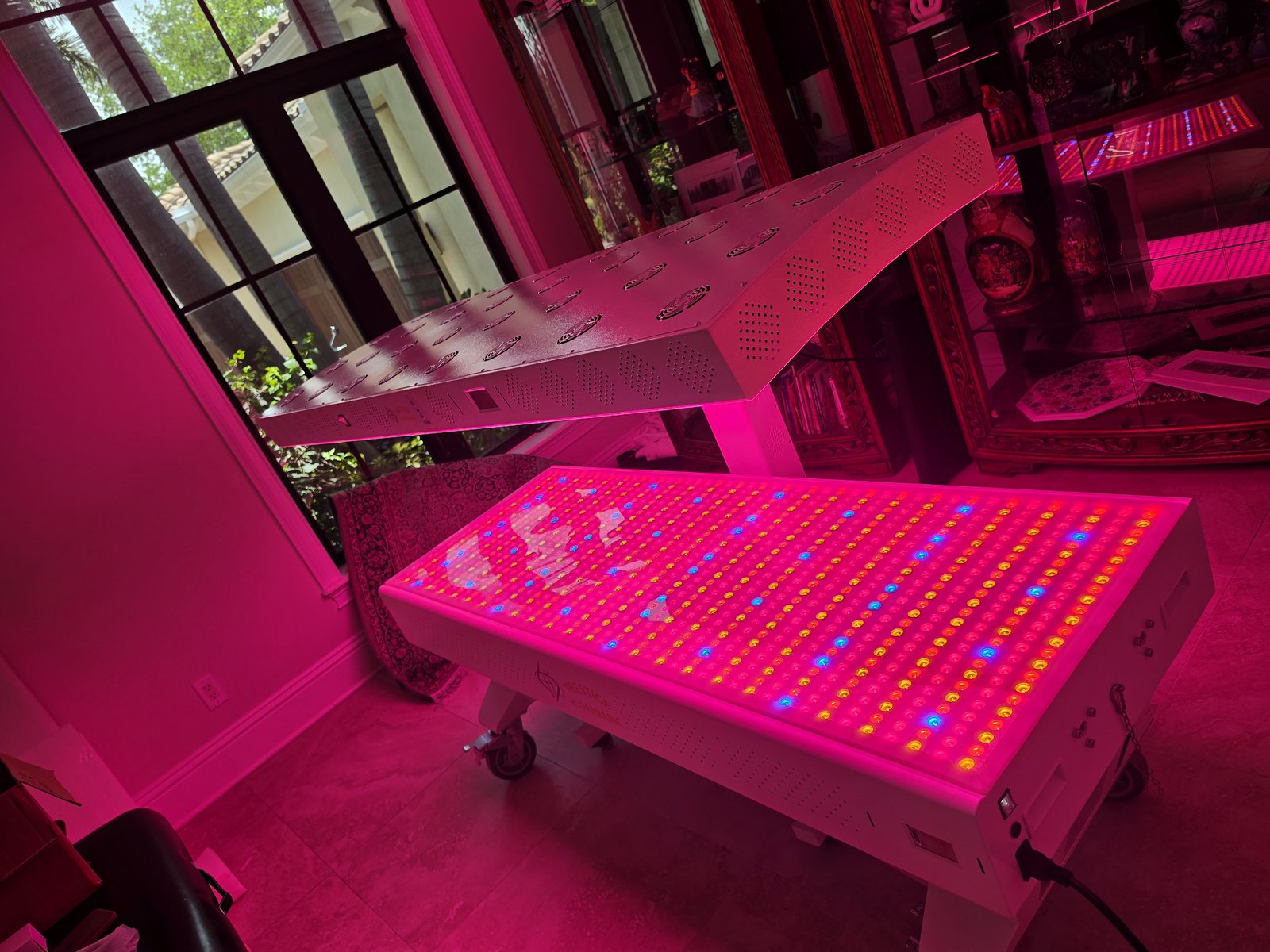
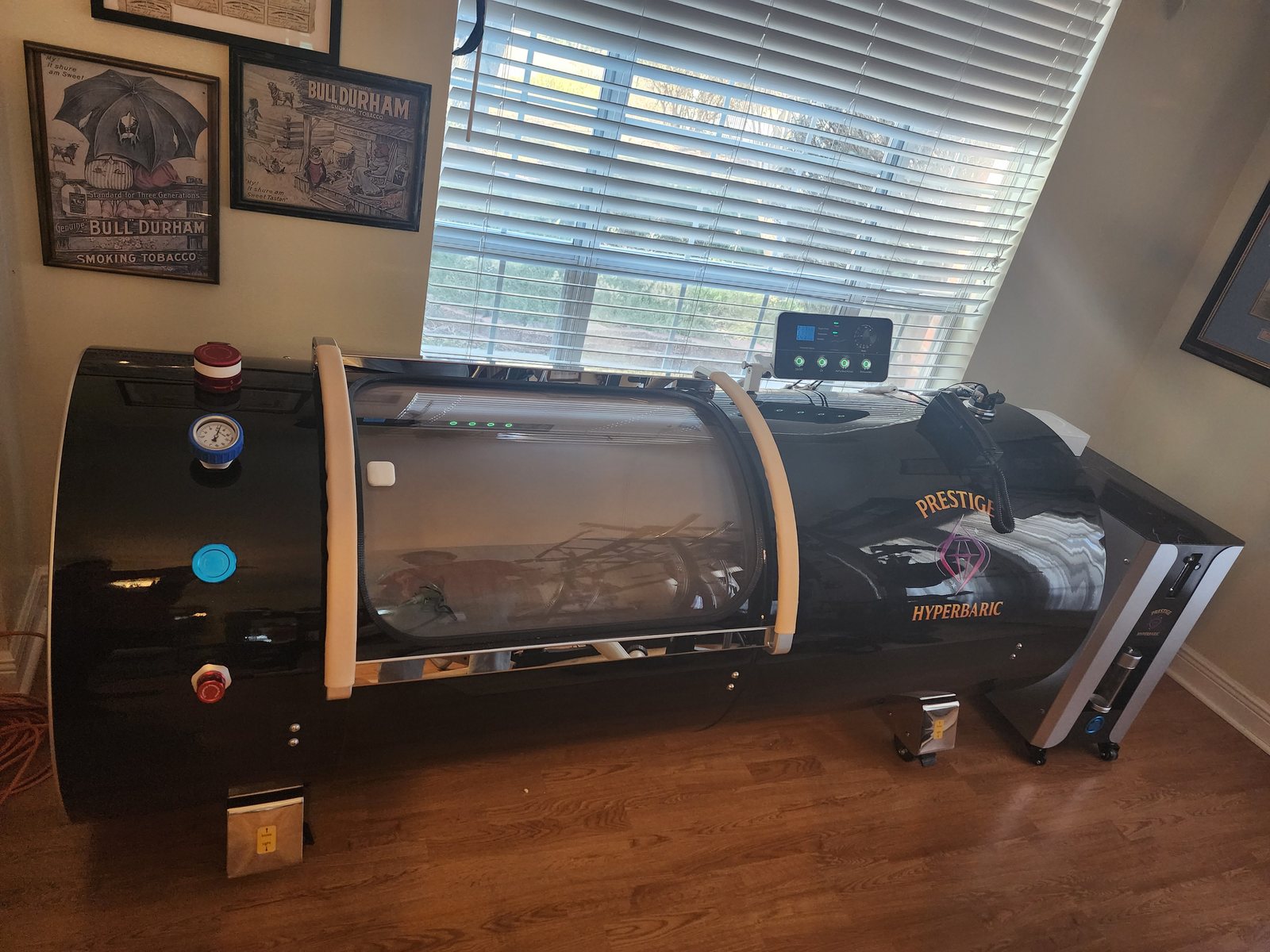
Using Red Light Therapy Inside a Hyperbaric Chamber: Safety First
Combining red light and hyperbaric sessions is popular online, but oxygen-enriched environments carry real fire risk. Here's what buyers need to understand before trying it.
Key Takeaways
- Oxygen-enriched, pressurized chamber environments carry a fire risk profile that is fundamentally different from a normal room.
- NFPA 99 outlines strict fire-safety requirements for hyperbaric environments precisely because of this elevated risk.
- Standard consumer electronics, including typical red light panels, are not rated or tested for use inside a chamber.
- Only use red light devices explicitly documented by the manufacturer as chamber-rated for hyperbaric use.
- When in doubt, run red light and hyperbaric sessions separately rather than improvising a combined setup.
We get asked some version of this question regularly: "Can I bring a red light panel into my hyperbaric chamber for a combined session?" We understand the appeal — stacking modalities to save time is a natural instinct. But this is one of the few areas where we're going to give an unambiguous, non-hedged answer: don't improvise on this. Here's why.
Why This Question Comes Up So Often
Red light therapy and hyperbaric sessions are both popular independently, and it's a logical leap to wonder whether combining them in a single session might be more convenient than running them separately. Some devices marketed as "chamber safe" red light products exist specifically because of demand for combined sessions. The existence of that demand is exactly why this topic needs a clear, direct safety explanation rather than vague reassurance either way. We'd rather spend a few minutes here being unambiguous than have a customer assume silence on the topic means it's automatically fine to bring any red light device into a pressurized session.
The Core Risk: Oxygen-Enriched Fire Hazard
The interior of a hyperbaric chamber, particularly one delivering supplemental oxygen or operating with an oxygen-enriched atmosphere, is fundamentally different from a normal room in terms of fire risk. Oxygen itself doesn't burn, but it dramatically accelerates combustion and ignition of materials that would be difficult or impossible to ignite at normal atmospheric oxygen levels. Materials that are considered non-flammable in everyday use — including some plastics, certain fabrics, and even some lubricants — can ignite far more easily in an oxygen-enriched, pressurized environment. Electronic devices not specifically engineered and rated for this environment introduce ignition sources: heat from LEDs, electrical components, batteries, and wiring that hasn't been evaluated for oxygen-enriched service.
What NFPA 99 Tells Us About This Environment
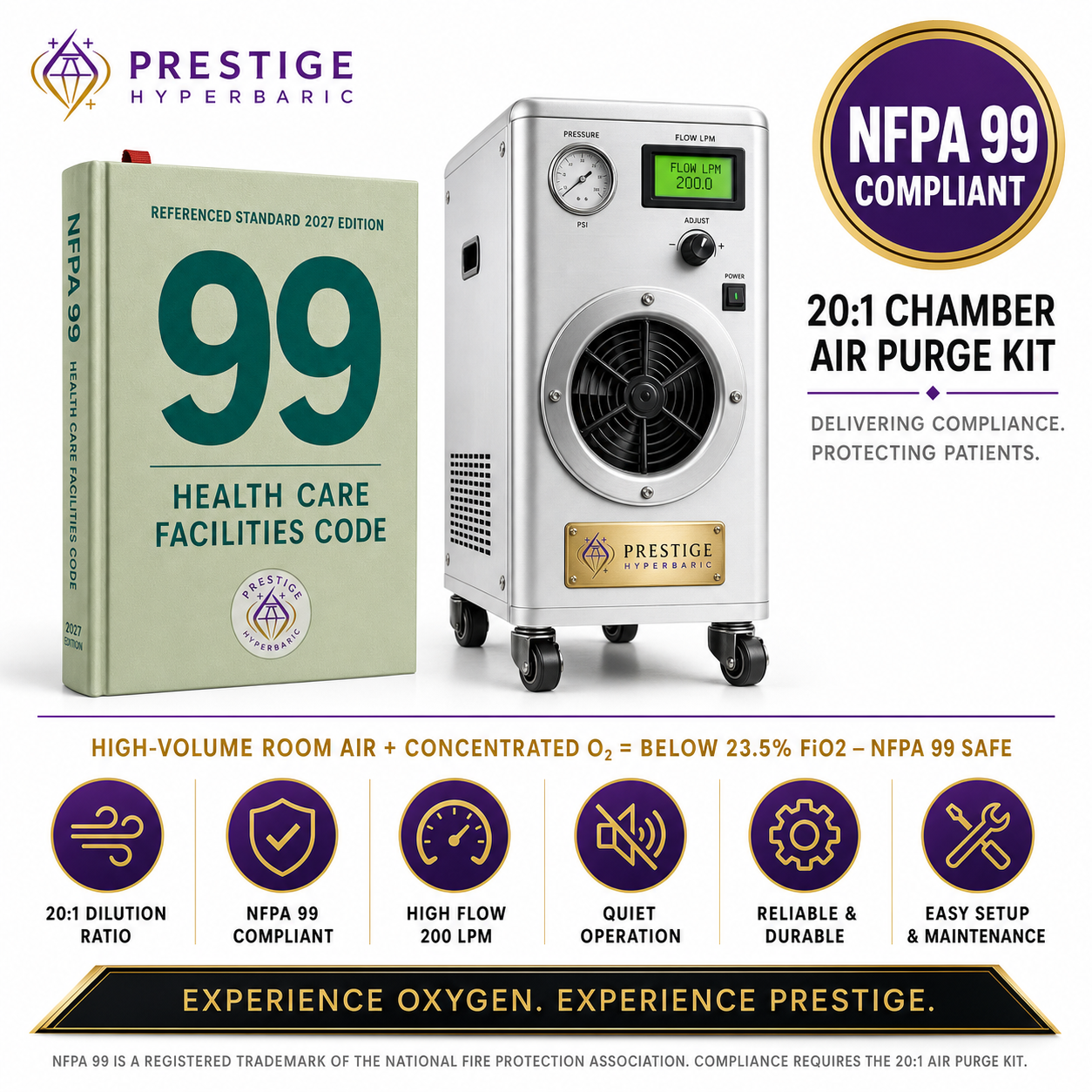
NFPA 99 (the Health Care Facilities Code) includes specific chapters addressing hyperbaric facility safety precisely because of this risk profile. The standard reflects decades of documented fire-safety concerns specific to pressurized, oxygen-enriched environments, including strict controls on what materials and equipment are permitted inside a chamber. This isn't a theoretical or overly cautious framework — it exists because oxygen-enriched fires in enclosed, pressurized spaces are fast-moving and extremely difficult to escape or extinguish quickly, which is also why chambers have defined decompression procedures built around emergency egress time. Any product introduced into that environment should be evaluated against this same level of seriousness.
Why "It's Just an LED Panel" Isn't a Safe Assumption
A red light panel that is perfectly safe in a normal room is not automatically safe inside a hyperbaric chamber. Standard consumer electronics are not designed, tested, or certified for use in oxygen-enriched, pressurized environments. Heat buildup behaves differently under pressure, materials that don't off-gas or ignite at normal atmospheric conditions can behave very differently under elevated oxygen levels, and a device's internal components (batteries, wiring insulation, driver circuitry) may not be rated for this kind of service at all. The fact that a device works safely and reliably in open air tells you nothing about how it performs inside a pressurized, oxygen-enriched chamber.
| Assumption | Reality |
|---|---|
| "LEDs don't get hot enough to matter" | Heat behavior changes under pressure and elevated oxygen; standard consumer LED drivers are not rated for this |
| "It's just plastic and won't burn" | Materials considered non-flammable at normal pressure can ignite in oxygen-enriched atmospheres |
| "I'll only use it for a few minutes" | Ignition risk isn't a function of session length; an unrated device is a risk from the moment it's introduced |
The Only Acceptable Standard: Chamber-Rated Devices
The only responsible approach is to use devices explicitly designed, tested, and rated by the manufacturer for use inside a hyperbaric chamber environment. This means the manufacturer has evaluated the device specifically for oxygen-enriched, pressurized service, not simply that the device is generally well-made or safe for typical home use. If a red light product's documentation doesn't explicitly state it's rated for hyperbaric chamber use, the safe default assumption is that it is not, regardless of how the product is otherwise marketed. Ask for that documentation directly, in writing, rather than accepting a verbal assurance from a seller — a legitimate chamber-rated device should have clear supporting documentation behind that claim.
What We Tell Customers Who Ask About This
Our answer is consistent: don't bring standard red light devices, phones, battery packs, or any electronics not explicitly rated for hyperbaric chamber use into a pressurized session. If you're interested in combining red light and hyperbaric sessions, ask specifically whether a given red light product has been tested and rated for chamber use by its manufacturer, and don't take a seller's word for it without documentation. Running the two modalities as separate sessions is the straightforward, unambiguous way to avoid this risk entirely, and it's what we recommend to anyone not using a chamber-rated device.
What About Batteries, Phones, and Other Personal Electronics?
This same caution extends beyond red light panels to any personal electronic device someone might be tempted to bring into a chamber for convenience — phones, tablets, wireless earbuds and their charging cases, fitness trackers, or portable battery packs. Lithium-ion batteries in particular are a known fire-safety concern even at normal atmospheric pressure when damaged or defective; introducing that same battery chemistry into a pressurized, oxygen-enriched environment is a meaningfully different and more serious risk profile. Reputable hyperbaric facilities and chamber manufacturers maintain clear policies about what personal items are and are not permitted inside a chamber during a session, and those policies exist for exactly this reason. If you're unsure whether a specific item is permitted inside your chamber, the answer is to ask your chamber's manufacturer or a qualified technician directly, not to assume it's fine because it seems harmless in every other context of your daily life.
Never Improvise Inside a Pressurized Oxygen Environment
This is one of the few areas of hyperbaric ownership where there's no reasonable middle ground or personal judgment call to make. Don't modify, adapt, or improvise electronic equipment for use inside a chamber. Don't assume a product is safe because it seems low-power or "just a light." Follow your chamber manufacturer's guidance on what is and isn't permitted inside the chamber during a session, and when in doubt, run your red light and hyperbaric sessions separately. This is educational information, not medical advice, and it's also a fire-safety matter — treat it with the same seriousness as any other pressurized, oxygen-enriched equipment guidance.
Frequently Asked Questions
Can I bring any red light panel into my hyperbaric chamber?
No. Only devices explicitly designed, tested, and rated by their manufacturer for hyperbaric chamber use should be brought inside a pressurized session. Standard consumer red light panels are not evaluated for oxygen-enriched, pressurized environments and should not be assumed safe.
Why is oxygen-enriched fire risk different from normal fire risk?
Oxygen itself doesn't burn, but it dramatically accelerates ignition and combustion. Materials considered non-flammable at normal atmospheric conditions can ignite much more easily in a pressurized, oxygen-enriched environment, which is why hyperbaric facilities follow strict safety codes like NFPA 99.
Is it safer to just run red light and hyperbaric sessions separately?
Yes. Running the two as separate sessions eliminates the fire-safety risk associated with introducing unrated electronic devices into an oxygen-enriched, pressurized chamber environment, and is the approach we recommend unless you're using a device explicitly rated for chamber use.
This article is educational information from equipment specialists, not medical advice. Hyperbaric oxygen therapy, red light therapy, sauna, cold plunge, and PEMF are not substitutes for care from a licensed clinician. Talk to your physician before starting any new protocol, especially if you are pregnant, have a cardiac or pulmonary condition, an implanted device, or are being managed for an active medical condition.