Softshell vs. Hardshell Hyperbaric Chambers: An Honest Breakdown From a Service-Focused Team
Pressure ranges, oxygen delivery, build quality, maintenance burden, and true cost of ownership — a straightforward comparison from a team that services both chamber types every week.
Key Takeaways
- Softshell chambers (up to 1.5 ATA) and hardshell chambers (1.3–2.0 ATA) are engineered for different use cases, not just different budgets.
- Oxygen delivery method — mask/hood supplementation vs. oxygen-enriched atmosphere — is the biggest technical difference between the two categories.
- Softshell chambers generally fail 'softer' and cost less to maintain; hardshell chambers require more specialized, oxygen-system-aware upkeep.
- Installation requirements scale with pressure rating and oxygen configuration — plan electrical, space, and ventilation accordingly.
- The right choice depends on pressure needs, session volume, and whether you're outfitting a home or a multi-user facility.
We service both softshell and hardshell hyperbaric chambers every week, and we hear the same question from nearly every buyer: which one is "better"? The honest answer is that they're built for different jobs, different budgets, and different tolerances for maintenance. This is our attempt at a straight comparison, without the sales spin, based on what we actually see when we're the ones opening these chambers up.
Two Different Machines, One Category
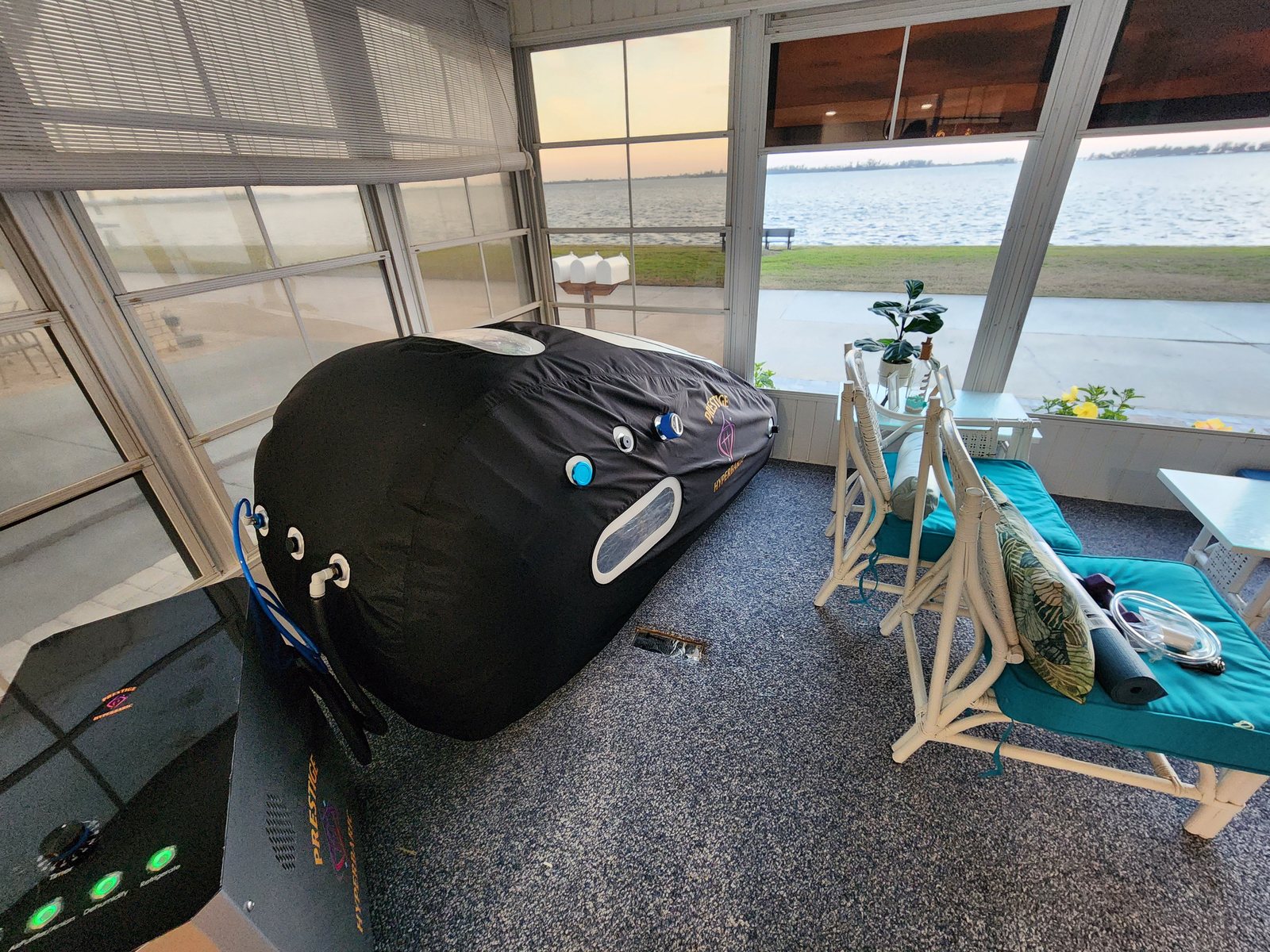
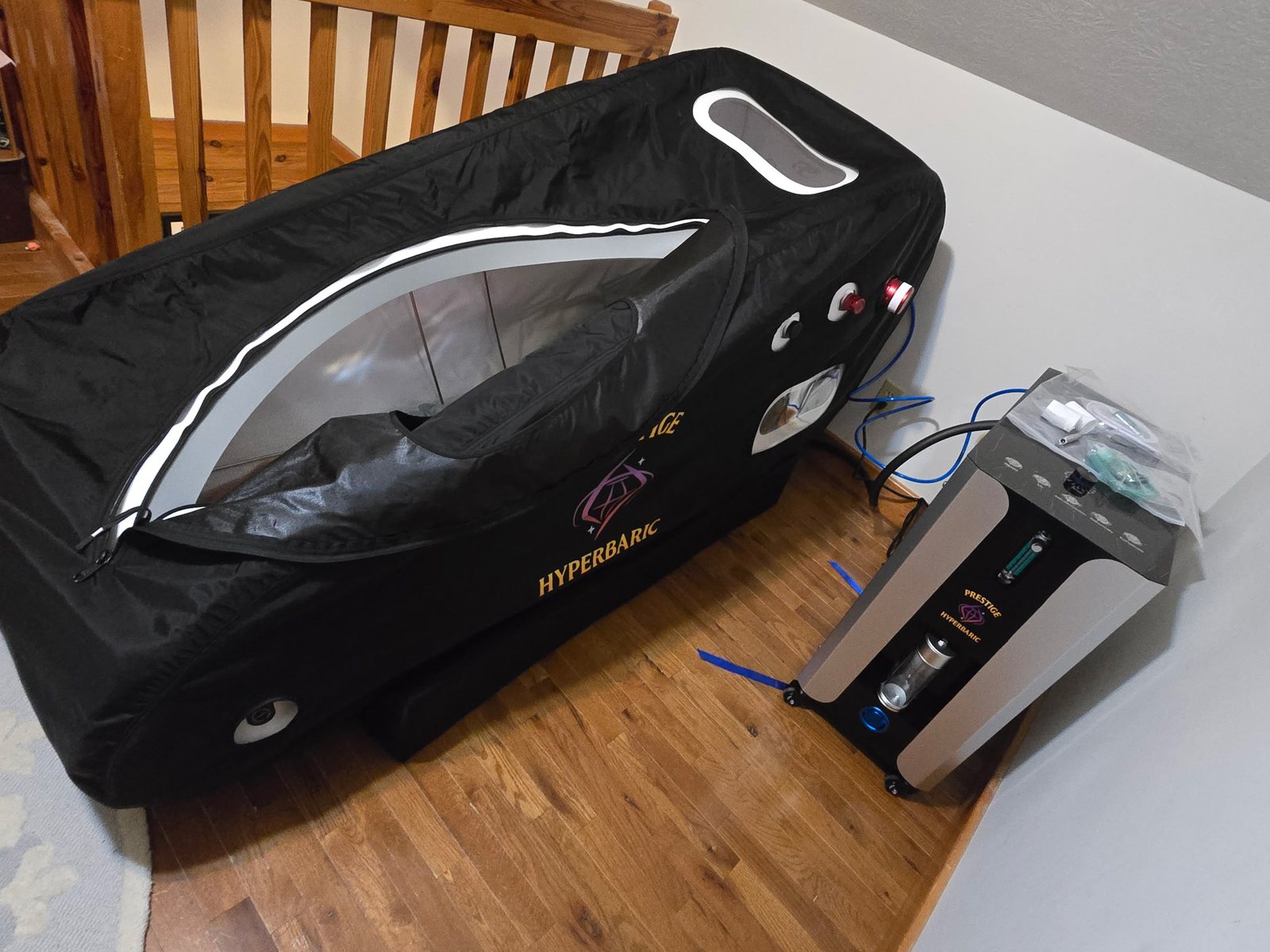
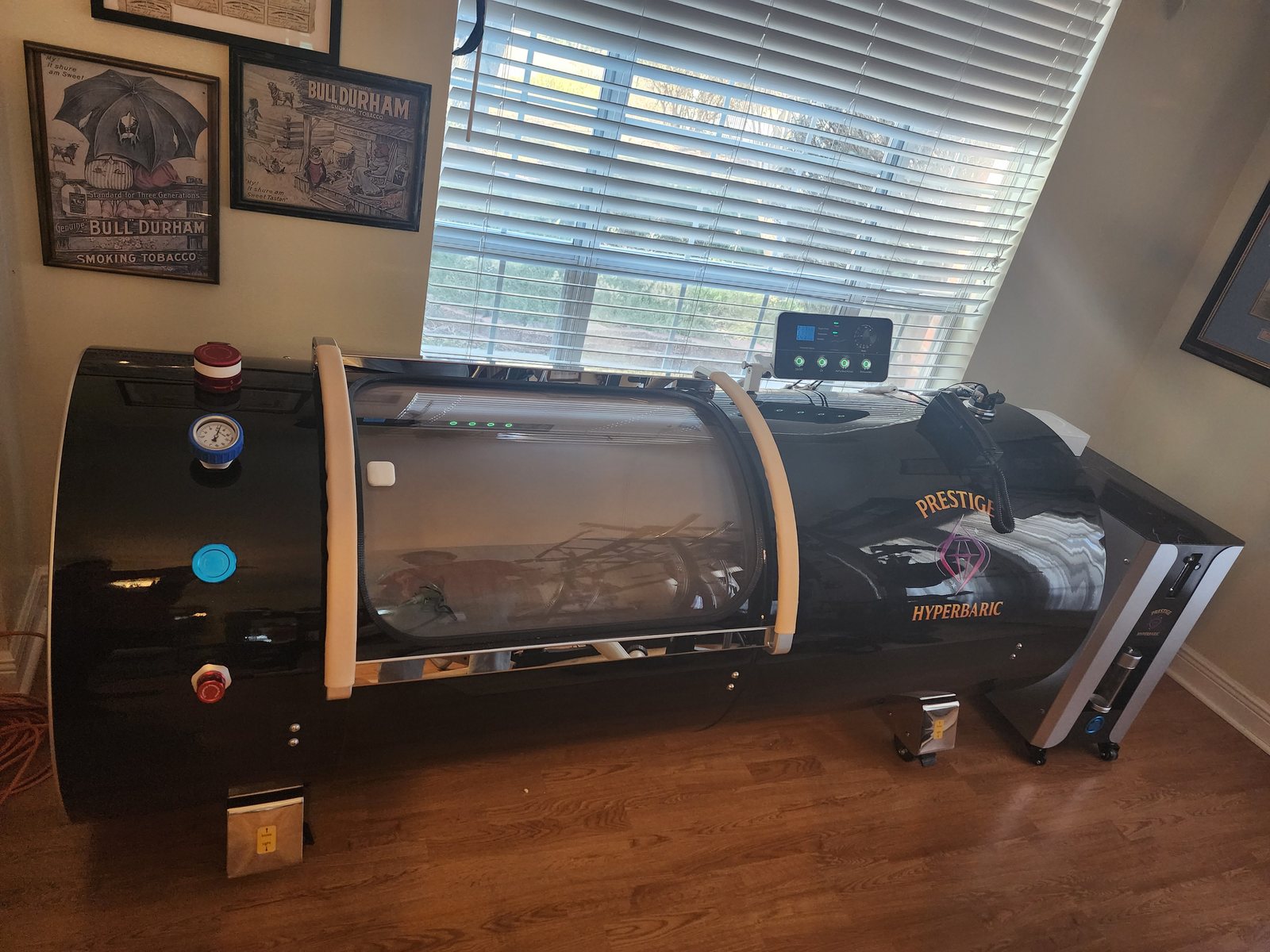
"Hyperbaric chamber" is a broad label that covers two genuinely different pieces of equipment. A softshell chamber, like our Vessel of Power, Sphere of Power, or Pavilion of Power, uses a flexible, fabric-and-urethane pressure vessel that inflates and compresses gently. A hardshell chamber, like our Grand Vessel of Power, Grand Vessel of Power Pro, or Grand Sphere of Power, is built around a rigid acrylic and steel or aluminum shell rated for higher pressure. Both compress air (or, in the case of higher-pressure hardshell units, allow for direct oxygen delivery), but the engineering, the failure points, and the ongoing care are not remotely the same.
Pressure Range and What It Actually Means
Pressure is measured in ATA (atmospheres absolute), where 1.0 ATA is sea-level pressure. Softshell chambers in our lineup top out at 1.5 ATA. Hardshell chambers, depending on model, run from 1.3 ATA up to 2.0 ATA. That range difference isn't a marketing number — it changes what kind of chamber a facility even needs to consider, because pressure rating drives regulatory classification, oxygen source options, and structural requirements.
Higher ATA isn't automatically "more session" for every person, and we're not going to tell you it is — that determination belongs to the prescribing or supervising clinician for any clinical use case. What we can say plainly: the higher the rated pressure, the more robust the shell, seals, and safety systems need to be, which is exactly why hardshell construction exists at the top of the range.
Oxygen Delivery: Off-Gassing vs. Direct Supply
This is the single biggest technical difference between the two categories, and it's the one most sales conversations gloss over.
- Softshell chambers are typically run on ambient air compression, with supplemental oxygen delivered to the user via a mask or hood inside the chamber rather than pressurizing the entire chamber atmosphere with pure oxygen. This keeps the internal fire-risk profile lower and simplifies the mechanical and safety requirements.
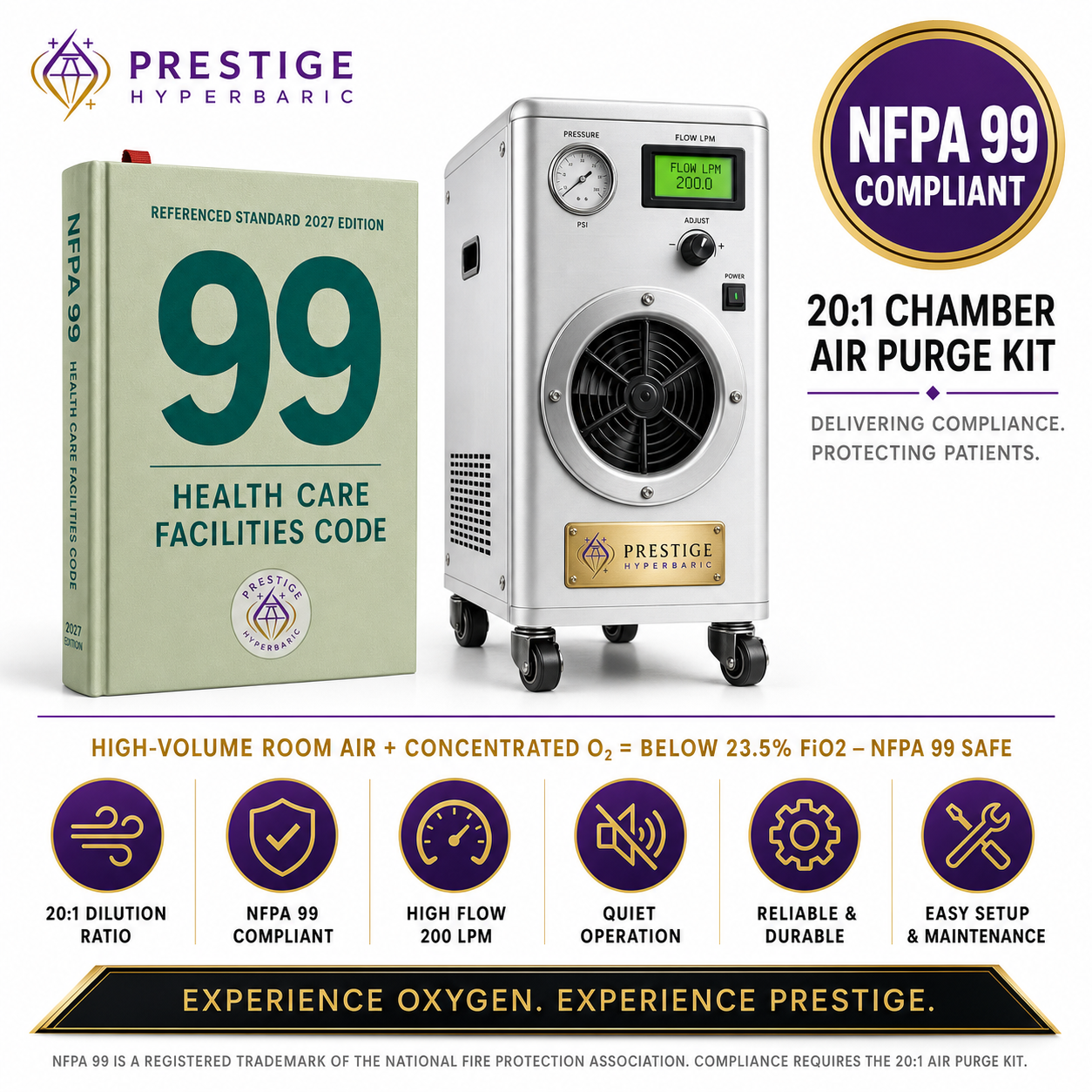
- Hardshell chambers rated at the higher end of the range are engineered for direct oxygen environments or oxygen-enriched atmospheres, which is why they require rigid, non-flexing shells, oxygen-rated seals, and — depending on configuration and local code — compliance hardware such as our OxySafe Chamber Air Purge System.
Oxygen changes everything about how a chamber has to be engineered, installed, and maintained. Anyone comparing a softshell and hardshell chamber purely on price without asking how oxygen is delivered is comparing two different categories of equipment.
Build Quality and Failure Modes
Every mechanical system fails eventually — the question is how, and how expensive it is to fix. Here's what we actually see in the field:
| Failure Point | Softshell Chambers | Hardshell Chambers |
|---|---|---|
| Zipper / door seal | Most common wear item; replaceable, moderate cost | Acrylic viewport seals and door gaskets; less frequent, more specialized |
| Shell integrity | Fabric abrasion, UV degradation if stored near sunlight | Acrylic can craze or yellow with age; steel/aluminum frame is otherwise very durable |
| Compressor | Standard wear item across both categories | Often larger capacity, higher duty cycle |
| Valves and gauges | Simpler system, fewer components | More components (oxygen-rated valves, relief valves, monitoring) to service |
Softshell chambers fail "softer" — a zipper or seal issue is usually a same-day fix. Hardshell chambers fail less often overall because of their construction, but when a component like an acrylic viewport or an oxygen-rated valve needs attention, it's a more specialized repair.
Maintenance Burden: What Ownership Really Looks Like
This is where we see the most buyer's remorse, in both directions. Softshell owners are sometimes surprised by how often zippers, gaskets, and the outer fabric need attention in high-use environments. Hardshell owners are sometimes surprised by the seriousness of oxygen-system maintenance — regular valve checks, fire-safety inspections, and adherence to NFPA 99 guidance aren't optional extras, they're the baseline for safe operation.
Neither chamber type is "low maintenance." Both are pressure vessels that hold a human being and need to be treated with the same seriousness you'd apply to any life-safety equipment.
Install Requirements and Space Planning
Softshell chambers are comparatively forgiving. The Vessel of Power and Sphere of Power can go into a spare bedroom or converted garage with standard household power and adequate ceiling clearance; the Pavilion of Power needs a bit more floor space to accommodate wheelchair accessibility. Hardshell chambers, particularly multi-person units like the Grand Pavilion of Power, need a dedicated room, reinforced flooring in some cases, electrical capacity sized for the compressor, and — for oxygen-enriched configurations — ventilation and fire-safety planning that should be reviewed against NFPA 99 before you ever sign a purchase order.
Cost of Ownership Over Five Years
Sticker price is the least useful number in this decision. What matters is the five-year picture: purchase price, installation, consumables (masks, hoods, fittings), scheduled maintenance, and the eventual major-component replacement. Softshell chambers generally have a lower entry price and lower annual maintenance cost. Hardshell chambers cost more up front and carry a higher maintenance floor, but they're built for higher utilization and higher pressure ranges, which changes the calculation if you're running a clinical or multi-user facility rather than a single household.
Who Each Chamber Type Is Actually Right For
We'll say this to any buyer who asks us directly: a softshell chamber is the right call for most individual and home buyers who want a lower-pressure option, simpler oxygen delivery, easier installation, and a lower long-term maintenance burden. A hardshell chamber is the right call for buyers who need higher pressure ranges, are supporting higher session volume, or are building out a clinical or multi-practitioner space where oxygen-enriched delivery and NFPA 99 compliance infrastructure are already part of the plan.
There's also a middle scenario worth mentioning: households or small practices that expect to grow. Some buyers start with a softshell chamber like the Sphere of Power to establish a routine and confirm the equipment fits their space and schedule, then move to a hardshell unit like the Grand Sphere of Power later once they've outgrown the lower pressure range or need to support more frequent, multi-person use. There's nothing wrong with treating a softshell purchase as a starting point rather than a permanent ceiling, as long as you go in with realistic expectations about resale value and the fact that a later upgrade means a second installation process, not a simple add-on.
It's also worth being honest about the questions a buyer should ask a dealer directly, rather than relying on marketing copy: what pressure range does my intended use actually call for, how is oxygen delivered in this specific model, what does routine maintenance look like month to month, and what does the installation process involve in my specific space. A dealer who answers all four clearly, and who services what they sell, is a better indicator of a sound purchase than any single spec on a page.
Neither chamber type is a substitute for medical guidance. This is educational information, not medical advice — any decision about pressure range, oxygen delivery method, or protocol frequency should involve a qualified healthcare provider, particularly for anyone with an existing medical condition.
Frequently Asked Questions
Is a hardshell chamber always better than a softshell chamber?
No. Hardshell chambers support higher pressure ranges and direct oxygen delivery, but softshell chambers are simpler to install, generally less costly to maintain, and are the right fit for many home and individual buyers. The better option depends on your pressure needs, budget, and available space.
Do softshell chambers use pure oxygen inside the chamber?
Typically, softshell chambers are pressurized with ambient air and supplemental oxygen is delivered to the individual through a mask or hood rather than filling the entire chamber with oxygen. This is a key design difference from oxygen-enriched hardshell configurations.
What does NFPA 99 have to do with buying a chamber?
NFPA 99 outlines fire and life-safety requirements for hyperbaric environments, particularly where oxygen-enriched atmospheres are involved. Higher-pressure hardshell installations should be evaluated against these guidelines, which is why compliance hardware like our OxySafe exists for chamber installations.
This article is educational information from equipment specialists, not medical advice. Hyperbaric oxygen therapy, red light therapy, sauna, cold plunge, and PEMF are not substitutes for care from a licensed clinician. Talk to your physician before starting any new protocol, especially if you are pregnant, have a cardiac or pulmonary condition, an implanted device, or are being managed for an active medical condition.