What Better HBOT Research Looks Like: Clearer Questions, Stronger Design
A positive research watch on clearer HBOT study design, transparent protocols, and the practical questions owners can ask before choosing a chamber.
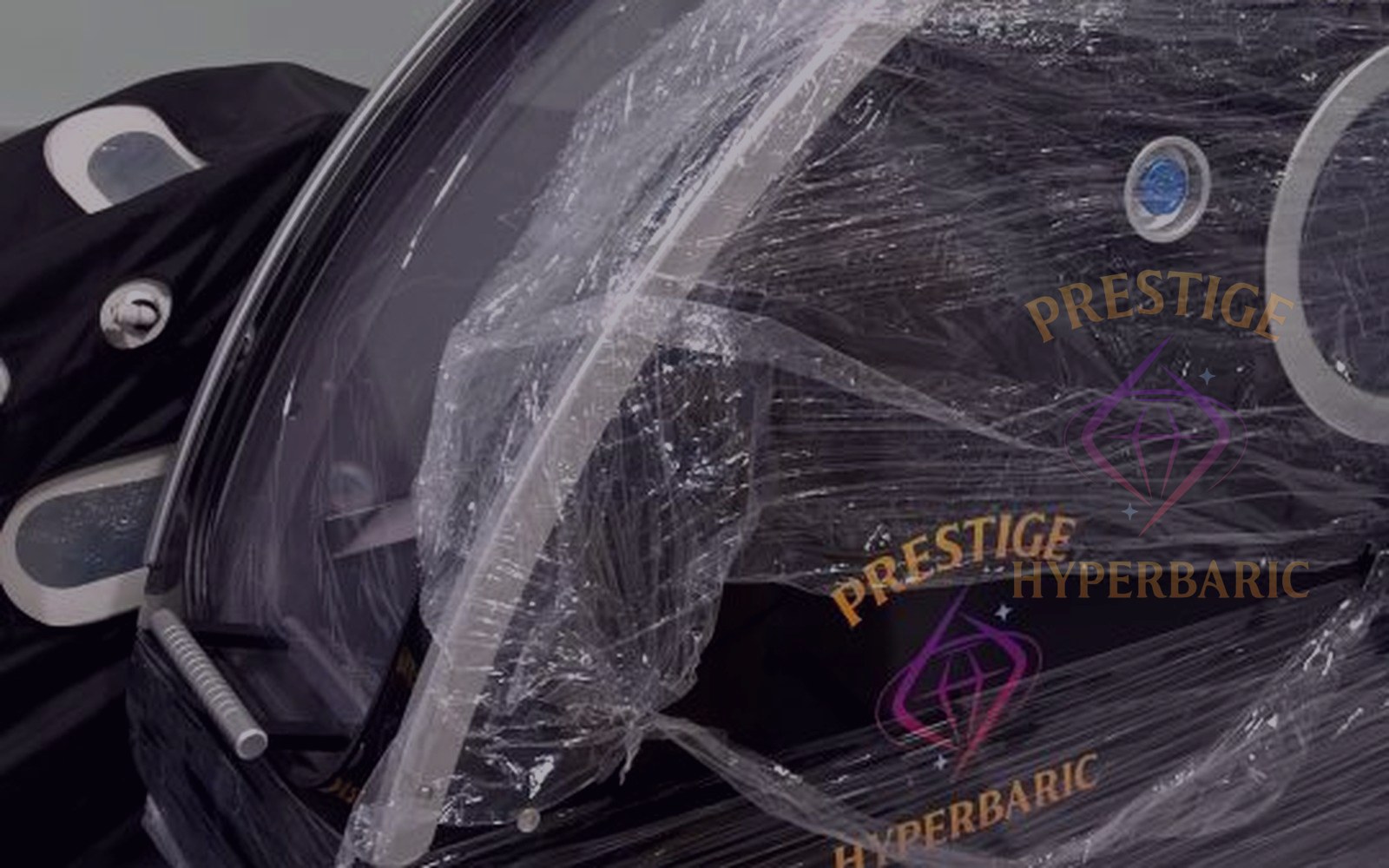
A documentary workshop vignette for a research story that is still unfolding.
Good HBOT research is not a hype reel. It is a better question, a clearer comparison, and a protocol detailed enough for other people to understand what actually happened. That is the encouraging signal in several 2026 papers: researchers are putting more attention on study design, participant groups, session details, and outcomes that can be measured instead of simply promised.
For the Prestige team, that matters. We build and support equipment for real rooms, real operators, and real ownership routines. The more precise the research conversation becomes, the easier it is for buyers to ask better questions before they choose a chamber.
Two useful signals from the 2026 literature
A June 1 paper in BMJ Open reported results from HOTFy, a single-center, randomized, controlled, assessor-blinded crossover study. The study included 56 women with fibromyalgia and compared standardized care with an HBOT protocol delivered at 2.3 atmospheres absolute for 90 minutes, five times per week, across 32 to 40 sessions. The authors reported improvements across pain, function, psychological-symptom, and quality-of-life measures compared with the study's standard-care comparison period.
That is a result worth reading carefully, not turning into a universal promise. The same paper notes a 21.4% withdrawal rate, no placebo control, and no classical washout period between phases. It also says that the question of maintenance or booster schedules needs more evaluation. Good news and good boundaries can live in the same paragraph.
A second signal is a March 2026 protocol for a Veterans and Military Service Members study targeting 420 participants with persistent symptoms after mild or moderate traumatic brain injury. The planned design is a blinded, group-sequential randomized trial comparing 2.0 ATA HBOT with a sham condition at 1.0 ATA, with the Neurobehavioral Symptom Inventory as the primary outcome. Because this is a protocol, it tells us how the question will be tested—not what the final result will be.
Why the design details matter to owners
Pressure, session length, frequency, oxygen delivery, comparison group, and outcome measures are not fine print. They are the recipe. If a headline leaves those details out, it is hard for an owner to know whether two studies are even asking the same question.
That is also why our conversations start with the room and the routine, not just a product photo. Who will operate the chamber? What training will be in place? Where will the controls, oxygen equipment, and service access live? What parts should stay nearby? A premium ownership experience is the whole system working together.
What this research does—and does not—say
These papers do not turn every HBOT session into a guaranteed outcome, and they do not replace an individualized conversation with a qualified professional. They do show a research community working toward clearer comparisons and more transparent protocols. That is a healthy direction for anyone who wants to understand the field without getting lost in loud claims.
For wellness buyers, our job is to keep the equipment conversation grounded in reliability, safety, function, training, and support. Ask what a study actually tested. Ask how a chamber will fit your space. Ask who will answer when ownership gets real. The brass tacks are where confidence comes from.
From a careful paper to a confident handoff
Research precision and workshop precision point to the same idea: details compound. A clearly labeled part, an operator who knows the sequence, a technician who explains the why, and a team that keeps practical support close can make the experience feel calmer from day one.
That is the Prestige POV. We design our own improvements, keep parts on hand, and stay close to the equipment because the people supporting the chamber should know how it behaves in real rooms. The goal is not louder marketing. It is better ownership.
Buy from Prestige, get supported by Prestige forever — by the same team who built it and installed it. If you are evaluating a chamber for a home or wellness center, talk with the Prestige team about your room, your workflow, and the support you want around the equipment.