New HBOT Review: What 19 Studies and 612 Patients Add to the Recovery Conversation
A plain-English look at a new systematic review of HBOT research across musculoskeletal conditions, with useful context for owners and operators.
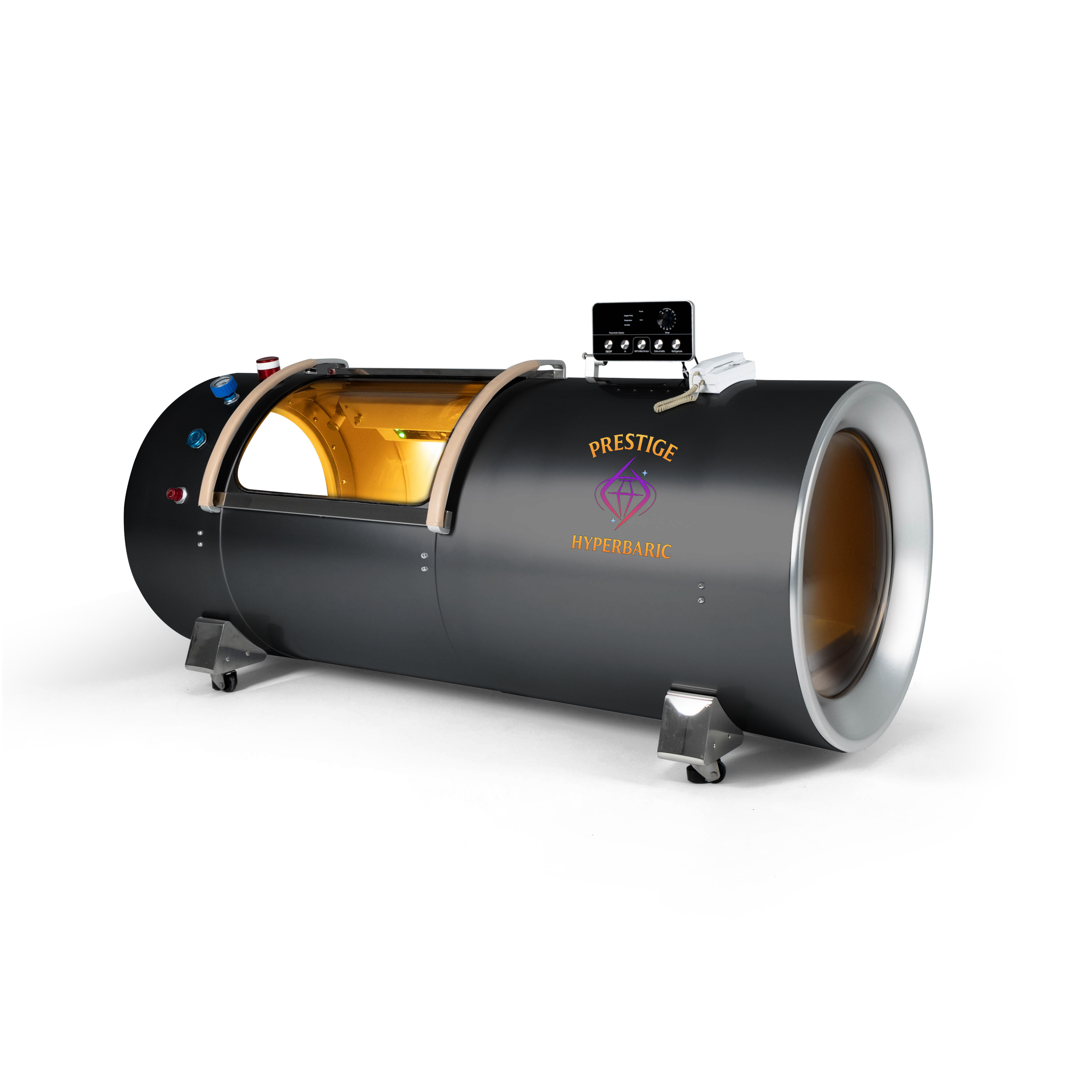
A cinematic workshop-to-chamber vignette for today’s research conversation.
Fresh research just landed, and it is the kind of paper worth reading without turning it into a miracle headline. A 2026 systematic review looked across 19 clinical studies involving 612 patients and asked a practical question: where is hyperbaric oxygen therapy showing useful signals in musculoskeletal recovery?
The review is not a promise for every person or every condition. It is a map of the current conversation — one that helps wellness operators, equipment owners, and curious clients separate a meaningful research signal from a social-media sound bite.
The headline: 19 studies, one useful direction
The authors reviewed research involving exercise-related muscle soreness, soft-tissue and ligament concerns, avascular necrosis, bone marrow edema, tendon blood flow, and related musculoskeletal questions. Across the bone-focused studies, the review describes reported improvements in imaging, pain scores, and function when longer protocols were used. The authors also describe promising signals for some soft-tissue and ligament applications, while noting that the evidence base is still varied.
That distinction matters. A review can show where the signals are strongest without turning those signals into a one-size-fits-all protocol. The useful takeaway is curiosity with structure: look at the condition, the protocol, the outcome being measured, and the quality of the study before making a big claim.
Protocol details are part of the story
One reason this review is helpful is that it puts the session pattern on the page. The included research used a range of protocols, with soft-tissue studies often involving one to 12 sessions and bone-focused studies commonly using 20 to 80 sessions. Sessions were generally 60 to 90 minutes, with many studies using 100% oxygen.
Those ranges are context, not a shopping list. A responsible program should be built around the individual, the chamber’s operating instructions, qualified guidance, and the standards that apply to the setting. The number of sessions in a paper does not automatically become the right number for a private wellness room.
What we like about the paper
First, it keeps the conversation tied to outcomes people can understand: imaging, pain scores, movement, function, and blood-flow measurements. Second, it acknowledges the shape of the research instead of pretending every study answers the same question. That is a good habit for the entire HBOT community.
At Prestige, we look for that same practical honesty in equipment conversations. The chamber is one piece of the experience. Room planning, operator training, oxygen routing, maintenance habits, and access to a team that knows the equipment all matter just as much when the goal is a calm, repeatable program.
Research is a starting point, not a shortcut
The paper’s findings are encouraging, but the authors call for stronger, better-designed trials and more consistent protocols. That is not a buzzkill; it is how useful science gets stronger. In the meantime, operators can keep the standard high by documenting sessions, following manufacturer guidance, communicating clearly, and staying honest about what the evidence does and does not say.
For anyone considering a chamber, this is the brass-tacks version: ask what the program is designed to support, what the operating plan looks like, how the team will train you, and who answers when a real-world question comes up. Good equipment should come with good people around it.
Buy from Prestige, get supported by Prestige forever, by the same team who built it and installed it. We design our own improvements, keep parts on hand, and stay close to the practical details that make ownership feel confident. Talk with the Prestige team about your room, your workflow, and the support you want around your equipment.
Read the research: Effects of hyperbaric oxygen therapy on human musculoskeletal pathologies in clinical studies: a systematic review (BMC Musculoskeletal Disorders, 2026).