Home Chamber Maintenance: What You Need to Do (and When)
A realistic daily, weekly, monthly, and annual maintenance schedule for softshell and hardshell hyperbaric chambers, from a team that services them for a living.
Key Takeaways
- Hyperbaric chambers are pressure vessels and require consistent maintenance, not occasional attention.
- Daily checks (visual inspection, gauges, odors) apply to both softshell and hardshell chambers.
- Softshell maintenance emphasizes zippers and fabric integrity; hardshell maintenance emphasizes acrylic and oxygen-rated valves.
- A full professional inspection at least annually is essential, and often required to maintain warranty coverage.
- Pressure instability, unusual odors, or visible shell/seal damage mean the chamber should be taken out of service immediately.
A hyperbaric chamber is a pressure vessel that holds a person, and it deserves the same maintenance discipline you'd apply to any life-safety equipment. Owners sometimes assume that because a chamber "just" compresses air, it's a low-maintenance appliance like a treadmill. It isn't. Here's the realistic schedule we recommend to every chamber owner we service, broken out by frequency and by chamber type.
Why Maintenance Isn't Optional for a Pressure Vessel
Seals degrade, zippers wear, valves stick, and compressors accumulate debris — all under repeated pressure cycling. None of this is unusual for mechanical equipment, but ignoring it on a chamber has different stakes than ignoring it on, say, a kitchen appliance. Consistent maintenance is what keeps a chamber both safe and reliable, and it's also what protects your warranty coverage, since many manufacturers require documented maintenance for claims to be honored. We've been called out to chambers that sat unused and unmaintained for months only to develop a seal failure or compressor issue that a simple weekly check would likely have caught much earlier, at a fraction of the eventual repair cost.
Setting Up a Maintenance Routine That Sticks
The schedule below is only useful if it's actually followed, and the owners who stay most consistent tend to attach these tasks to something they already do. Daily checks fit naturally into the few minutes before or after a session, since you're already interacting with the chamber. Weekly and monthly tasks are easier to remember if tied to a recurring calendar reminder rather than "whenever I think of it," and many owners find it useful to do their weekly maintenance on the same day each week — a Sunday equipment check, for example — so it becomes routine rather than something that gets skipped during a busy week.
Daily Checks
| Task | Softshell | Hardshell |
|---|---|---|
| Visual inspection of shell/zipper or door seal | Yes | Yes |
| Check for unusual odors or noises during compression | Yes | Yes |
| Confirm gauges read as expected before use | Yes | Yes |
| Wipe down interior surfaces after use | Yes | Yes |
Weekly Maintenance
- Zipper/seal lubrication (softshell): Apply manufacturer-approved lubricant to zipper tracks to prevent premature wear and maintain an airtight seal.
- Door gasket inspection (hardshell): Check for debris, cracking, or compression set on door seals.
- Compressor intake filter check: A dirty intake filter is one of the most common causes of reduced compressor performance across both chamber types.
- Interior deep clean: A more thorough wipe-down of interior fabric or acrylic surfaces, particularly in higher-use environments.
Monthly Maintenance
- Full valve function check: Confirm relief valves, intake valves, and any oxygen delivery valves operate smoothly and seal correctly.
- Compressor performance log review: Track fill times and pressure stability over time to catch gradual degradation before it becomes a failure.
- Fabric/shell close inspection (softshell): Check for UV degradation, abrasion points, or any stress marks near seams.
- Acrylic viewport inspection (hardshell): Look for crazing, clouding, or stress marks, which can indicate the acrylic needs professional evaluation.
Annual and Professional Service
At least once a year, every chamber — softshell or hardshell — should get a full professional inspection. This typically includes pressure testing, full valve servicing, compressor rebuild or service depending on hours of use, gasket and seal replacement as needed, and (for oxygen-enriched hardshell configurations) a fire-safety and compliance review consistent with NFPA 99 guidance, which may involve components like our NFPA 99 Compliance Kit for Hyperbaric Chambers. This is also the point at which a technician can catch early-stage wear that isn't visible during routine daily or weekly checks. For chambers used heavily — multiple sessions per day, or in a shared household or small-practice setting — a mid-year check between the two annual visits is a reasonable addition, even if it's a lighter inspection than the full annual service.
Softshell vs. Hardshell: Where the Schedule Differs
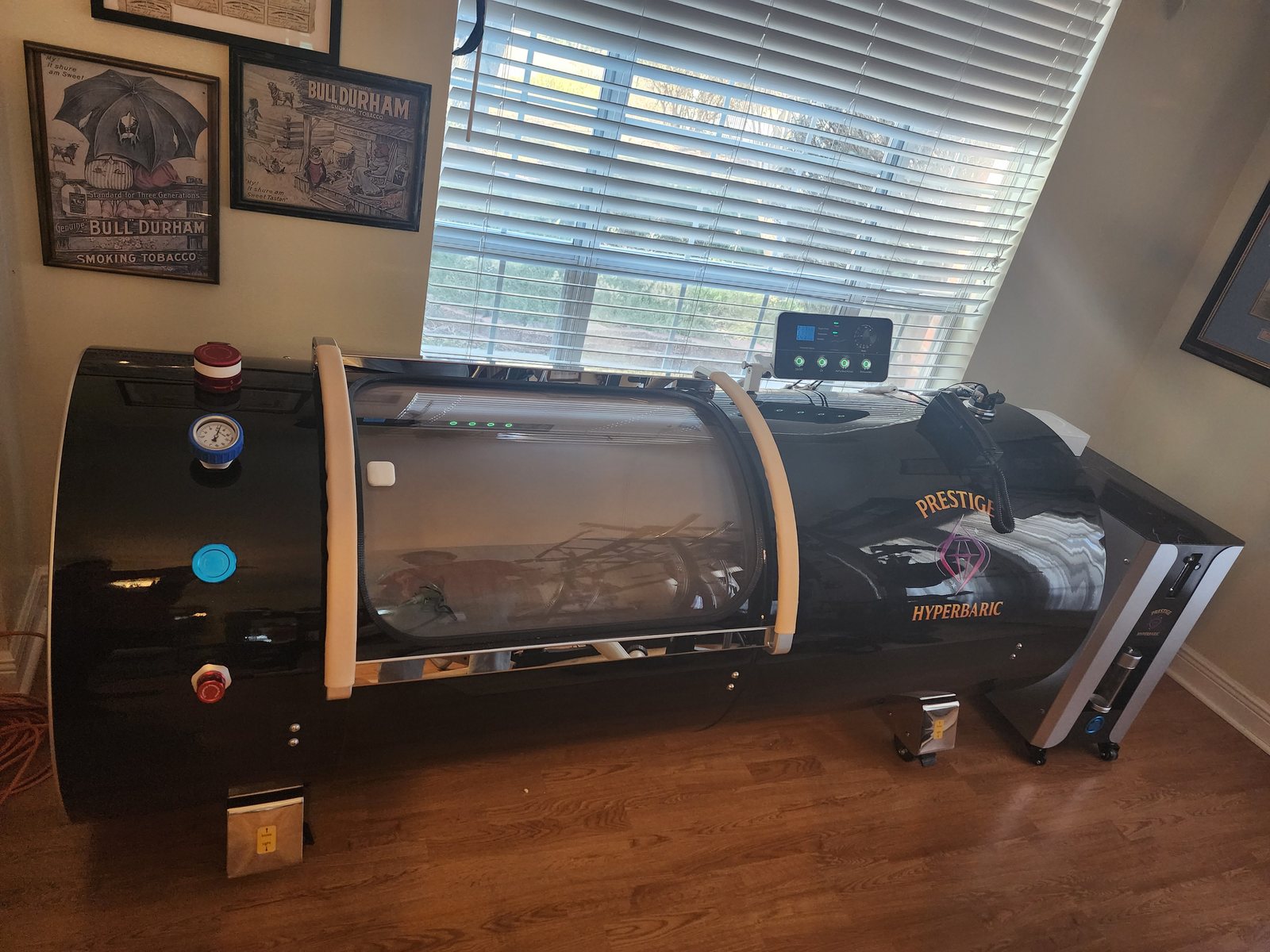
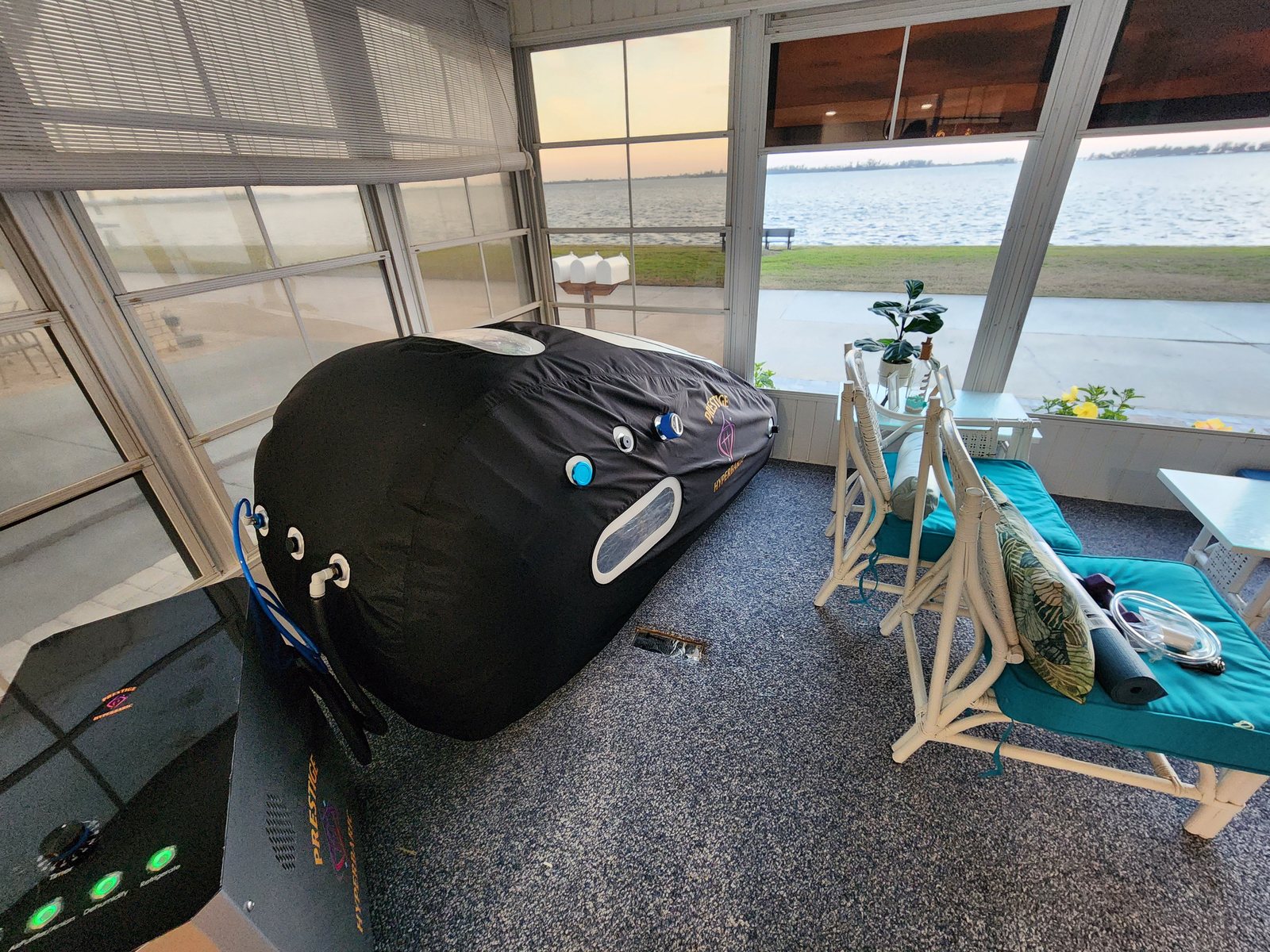
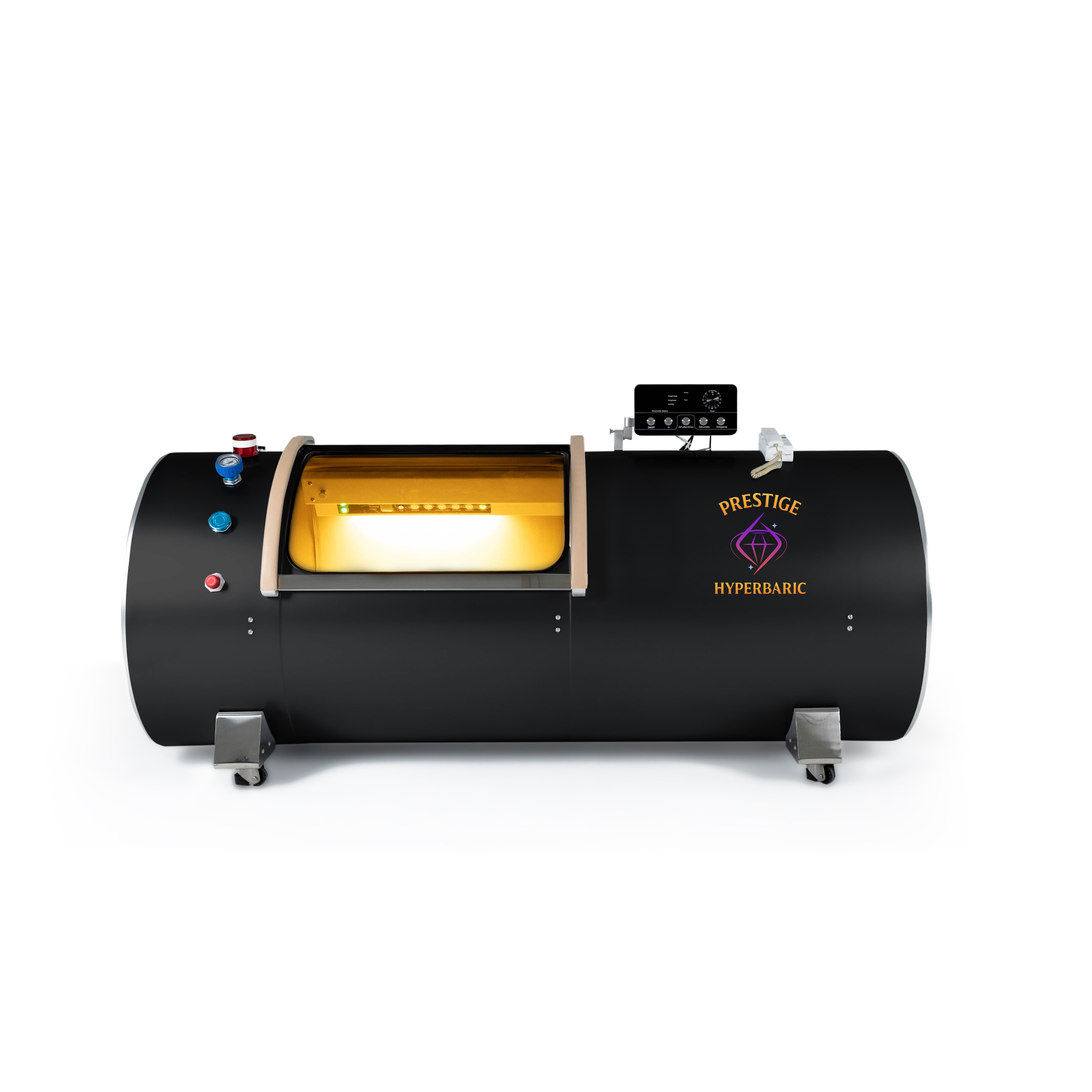
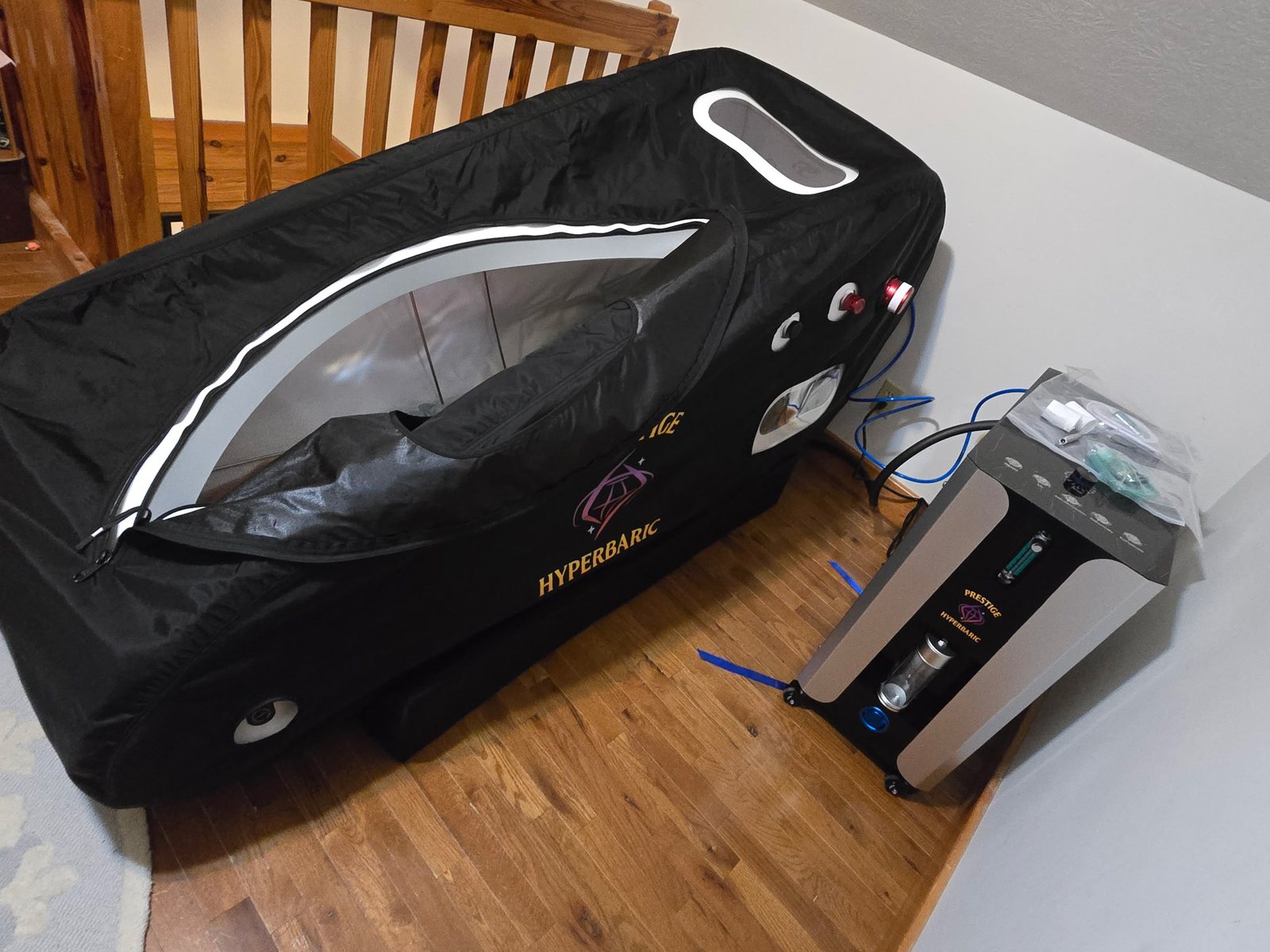
The daily and weekly cadence is similar across both chamber types, but the nature of the tasks differs. Softshell chambers like the Vessel of Power, Sphere of Power, and Pavilion of Power put more maintenance emphasis on zippers, fabric integrity, and seal lubrication. Hardshell chambers like the Grand Vessel of Power, Grand Vessel of Power Pro, and Grand Sphere of Power put more emphasis on acrylic viewport condition, oxygen-rated valve function, and compliance documentation, particularly for facilities running frequent sessions or operating in a clinical setting.
Tools and Supplies Worth Keeping on Hand
A modest supply kit makes routine maintenance much easier to keep up with. This typically includes manufacturer-approved zipper or gasket lubricant, soft non-abrasive cloths for interior cleaning, spare intake filters sized for your specific compressor, and a simple log book or spreadsheet for tracking inspection dates and any parts replaced. Having these items on hand before you need them means a weekly or monthly task takes a few minutes instead of turning into a delayed chore because you're waiting on a supply order. It's also worth keeping your chamber's manual and any manufacturer contact information easily accessible, rather than buried in an email from the original purchase, so that when a question does come up, you're not searching for basic reference information during a moment when the chamber is already out of service.
Signs You Need a Technician Now, Not Later
- Pressure won't hold steady, or takes noticeably longer to reach target pressure than it used to
- Any burning smell, unusual odor, or visible smoke, however minor
- Visible cracking, clouding, or stress marks on acrylic components
- Zipper or door seal that won't close fully or shows visible separation
- Any valve that sticks, leaks, or doesn't respond as expected
None of these are "wait and see" situations. A chamber that isn't behaving exactly as expected should be taken out of service until a qualified technician has evaluated it. This is a mechanical safety issue, not a comfort issue, and treating it that way is the difference between a routine repair and a much bigger problem.
Keeping a simple written maintenance log — dates, tasks completed, and any parts replaced — is one of the most underrated habits a chamber owner can build. Beyond helping a technician diagnose issues faster during an annual service visit, a documented maintenance history is often required to keep manufacturer warranty coverage valid, and it gives you an early warning system: if a valve check or gasket inspection shows more wear than the previous entry, that's useful information before a bigger failure develops. A chamber that's logged, inspected, and serviced on a predictable schedule is simply a safer and more reliable piece of equipment over its full service life than one that's only looked at when something already feels wrong.
This is educational information, not medical advice. Maintenance schedules described here are general guidance based on our own service experience; always follow your specific chamber manufacturer's documented maintenance requirements, and consult a qualified technician for any repair or safety concern rather than attempting an unfamiliar repair yourself.
Frequently Asked Questions
How often should a hyperbaric chamber be professionally serviced?
At minimum, once a year for a full professional inspection covering pressure testing, valve servicing, and seal/gasket replacement as needed. High-use facilities, especially with hardshell or oxygen-enriched chambers, may need more frequent professional service.
What's the most common maintenance issue for softshell chambers?
Zipper and seal wear is the most common issue we see in softshell chambers, which is why weekly lubrication and inspection of the zipper track is one of the most important routine tasks for owners.
What should I do if my chamber won't hold pressure steadily?
Stop using the chamber and contact a qualified technician. Inconsistent pressure can indicate a seal, valve, or compressor issue and should be diagnosed before further use, rather than continuing sessions and hoping it resolves itself.
This article is educational information from equipment specialists, not medical advice. Hyperbaric oxygen therapy, red light therapy, sauna, cold plunge, and PEMF are not substitutes for care from a licensed clinician. Talk to your physician before starting any new protocol, especially if you are pregnant, have a cardiac or pulmonary condition, an implanted device, or are being managed for an active medical condition.