HBOT for Athletic Recovery: What the Research Actually Shows
Athletes increasingly ask us about hyperbaric sessions for recovery. Here's an honest look at what the current research does and doesn't support.
Key Takeaways
- Hyperbaric oxygen has strong evidence for specific approved medical indications, but athletic recovery research is more limited and mixed.
- Some studies suggest reduced perceived soreness; others find no significant difference in objective recovery markers.
- There is no single universally validated pressure/frequency protocol for sports recovery in the current research.
- Softshell chambers up to 1.5 ATA are a common, more accessible entry point for athletes exploring hyperbaric recovery.
- Treat hyperbaric sessions as one part of a broader recovery routine, not a replacement for sleep, nutrition, or training management.
We field questions about hyperbaric sessions from recreational and competitive athletes almost every week — runners chasing faster recovery between training blocks, weekend warriors nursing soft-tissue soreness, and strength athletes curious whether a chamber session will help them bounce back faster. As a team that services this equipment daily, we think athletes deserve a straight answer about what the research supports and where the marketing has gotten ahead of the science.
Why Athletes Are Interested in Hyperbaric Sessions
Interest in hyperbaric oxygen for sports recovery has grown alongside broader interest in recovery technology generally — cold plunges, compression boots, red light panels, and hyperbaric chambers are increasingly treated as part of a standard "recovery stack." Some professional and college sports programs have added hyperbaric chambers to their facilities, which has fueled attention from individual athletes wanting similar access. Social media has amplified this further, with athletes posting chamber sessions as part of their visible recovery routine, which creates an impression of consensus that doesn't necessarily match the underlying research literature. Visibility isn't the same as evidence, though, so it's worth separating the two before deciding whether a chamber purchase makes sense for your own training goals.
The Physiological Rationale
The basic premise behind hyperbaric oxygen for recovery is straightforward: increasing ambient pressure allows more oxygen to dissolve into blood plasma than is possible breathing ambient air at normal pressure. In theory, higher plasma oxygen levels could support tissue oxygenation in areas with reduced blood flow, which is the rationale behind hyperbaric use in wound care and certain approved medical indications. Extending that rationale to exercise-induced muscle soreness or minor soft-tissue strain is a reasonable hypothesis — but a hypothesis is not the same as a proven training benefit. Exercise-induced muscle damage and the wound-healing scenarios where hyperbaric oxygen has stronger evidence are physiologically different situations, involving different tissue types, different timelines, and different underlying mechanisms, which is exactly why sports-specific research needs to be evaluated on its own terms rather than assumed from wound-care evidence.
What the Research Actually Shows
Research on hyperbaric oxygen for athletic recovery specifically is limited compared to its established clinical uses (such as decompression sickness, certain non-healing wounds, and carbon monoxide poisoning, where hyperbaric oxygen has a well-documented evidence base). For sports recovery, the picture is mixed:
- Some smaller studies and reviews have reported that hyperbaric oxygen sessions may support reduced perceived muscle soreness or faster subjective recovery after intense exercise in some subjects.
- Other studies have found no statistically significant difference in objective recovery markers (such as blood biomarkers of muscle damage) between hyperbaric and control groups.
- Sample sizes in most sports-specific hyperbaric research are small, and study designs vary widely in pressure, session length, and timing relative to exercise — making it hard to draw firm, generalizable conclusions.
The fair summary: the research suggests a plausible benefit for some athletes in some contexts, particularly around perceived soreness and subjective recovery, but it does not currently support strong, universal claims about performance enhancement or guaranteed faster healing.
Where the Evidence Is Weaker Than the Hype
| Claim You Might Hear | What the Evidence Actually Supports |
|---|---|
| "HBOT eliminates muscle soreness" | Some studies suggest a possible reduction in perceived soreness; effects are inconsistent across studies |
| "HBOT speeds up injury healing dramatically" | Established for specific approved medical wound indications; general soft-tissue sports injury evidence is limited |
| "HBOT improves athletic performance" | Little consistent evidence for direct performance gains in healthy athletes |
| "More pressure/sessions is always better" | Not supported — protocols vary and higher exposure is not automatically more effective |
How Athletes Are Using Chamber Sessions in Practice
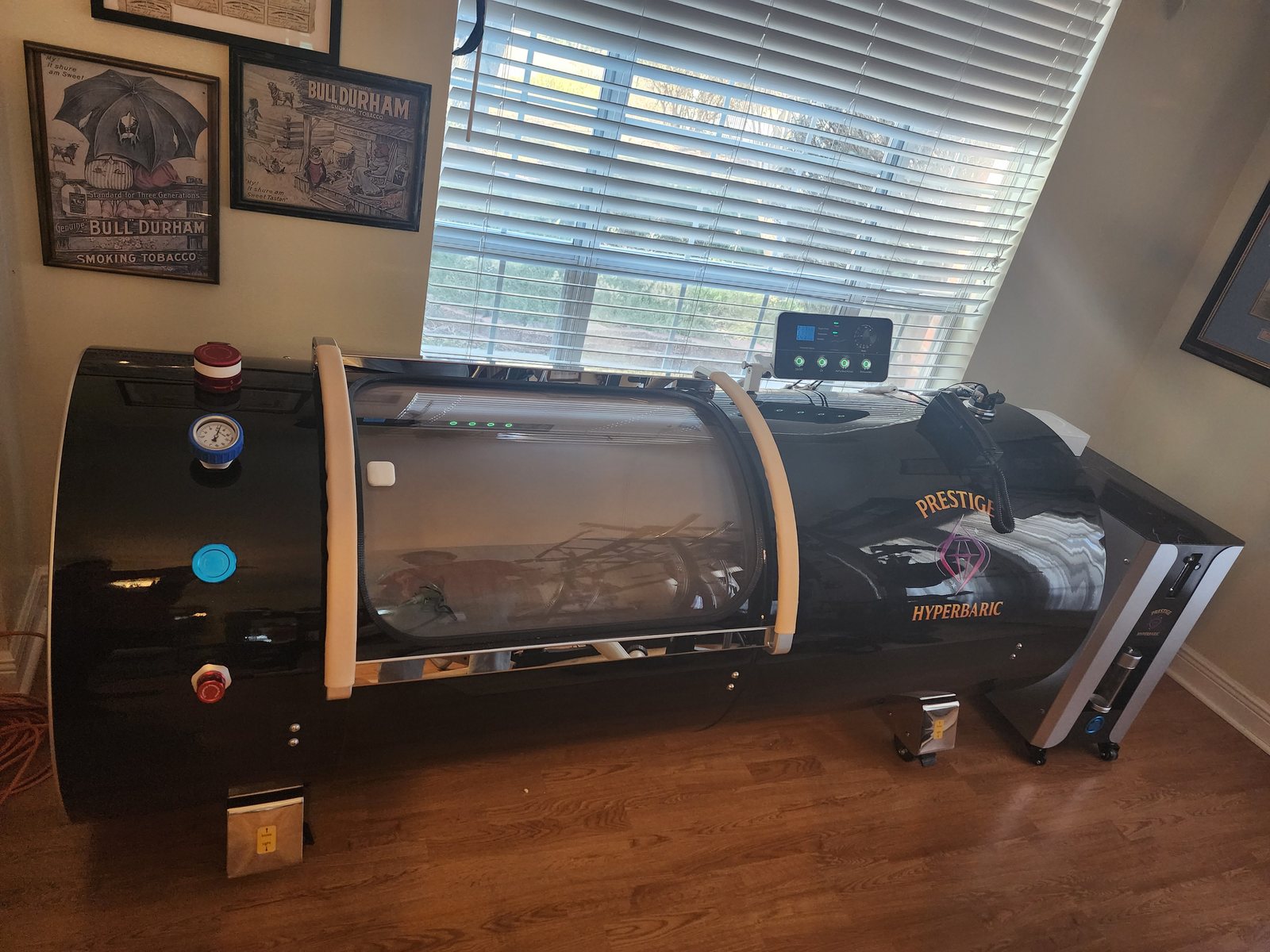
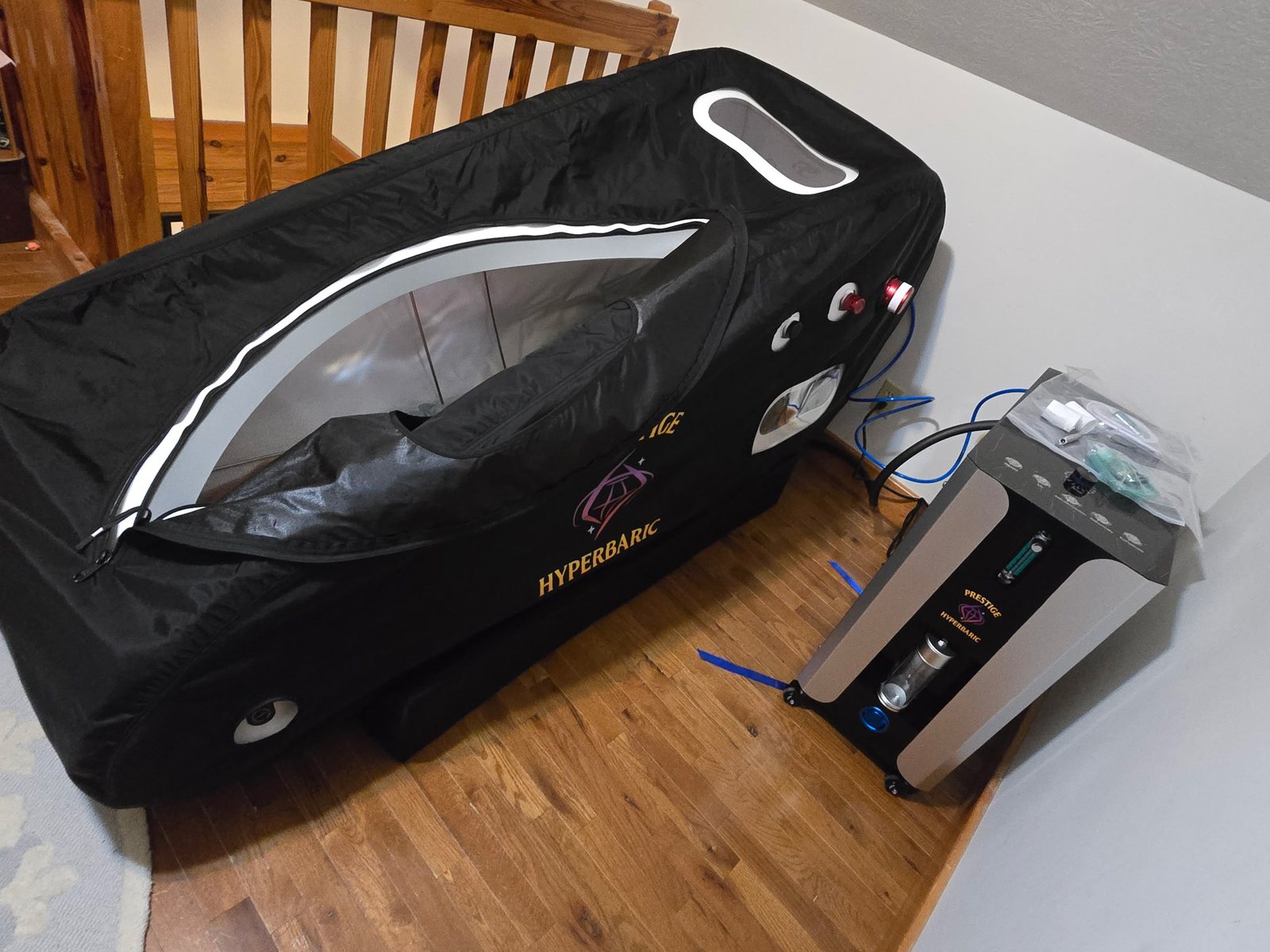
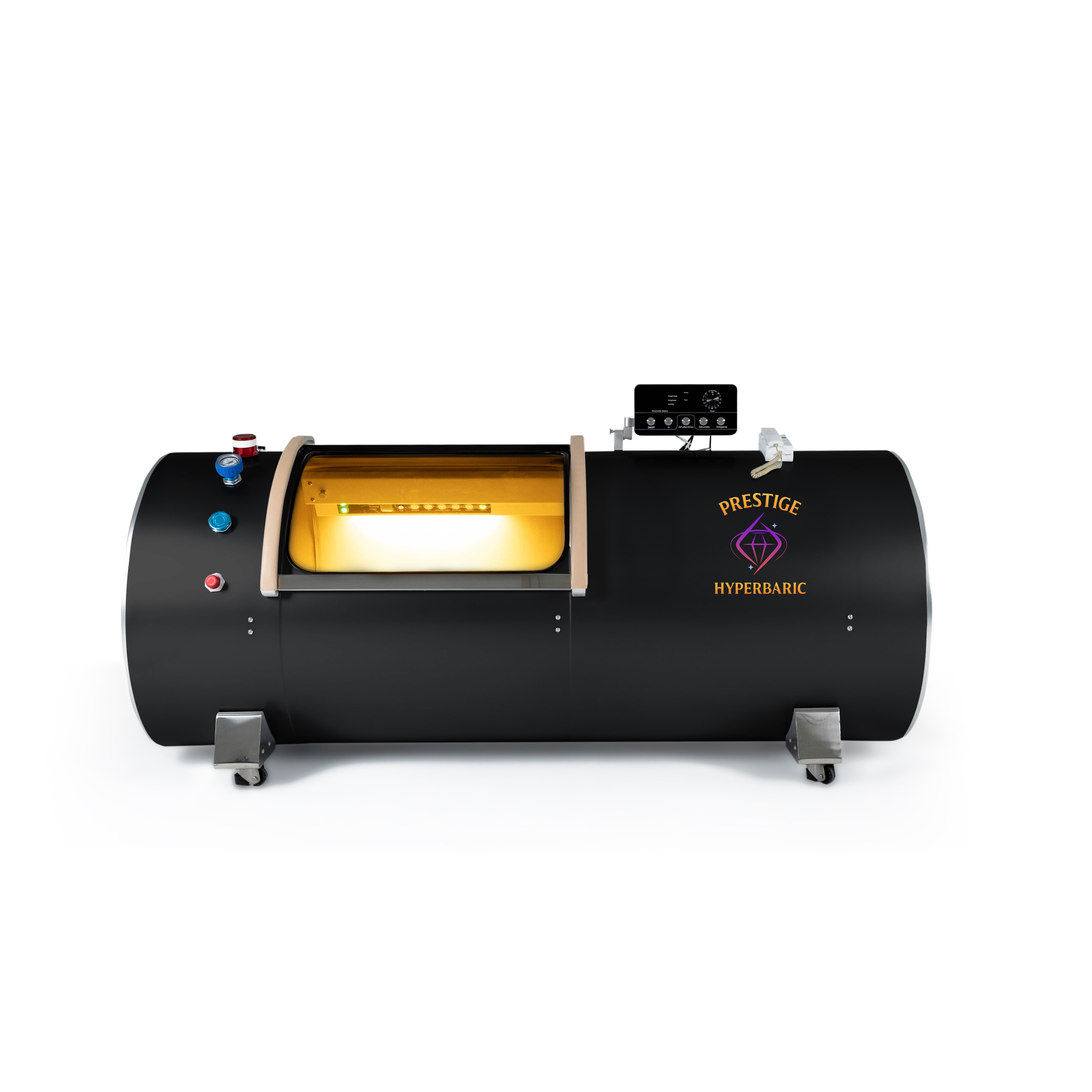
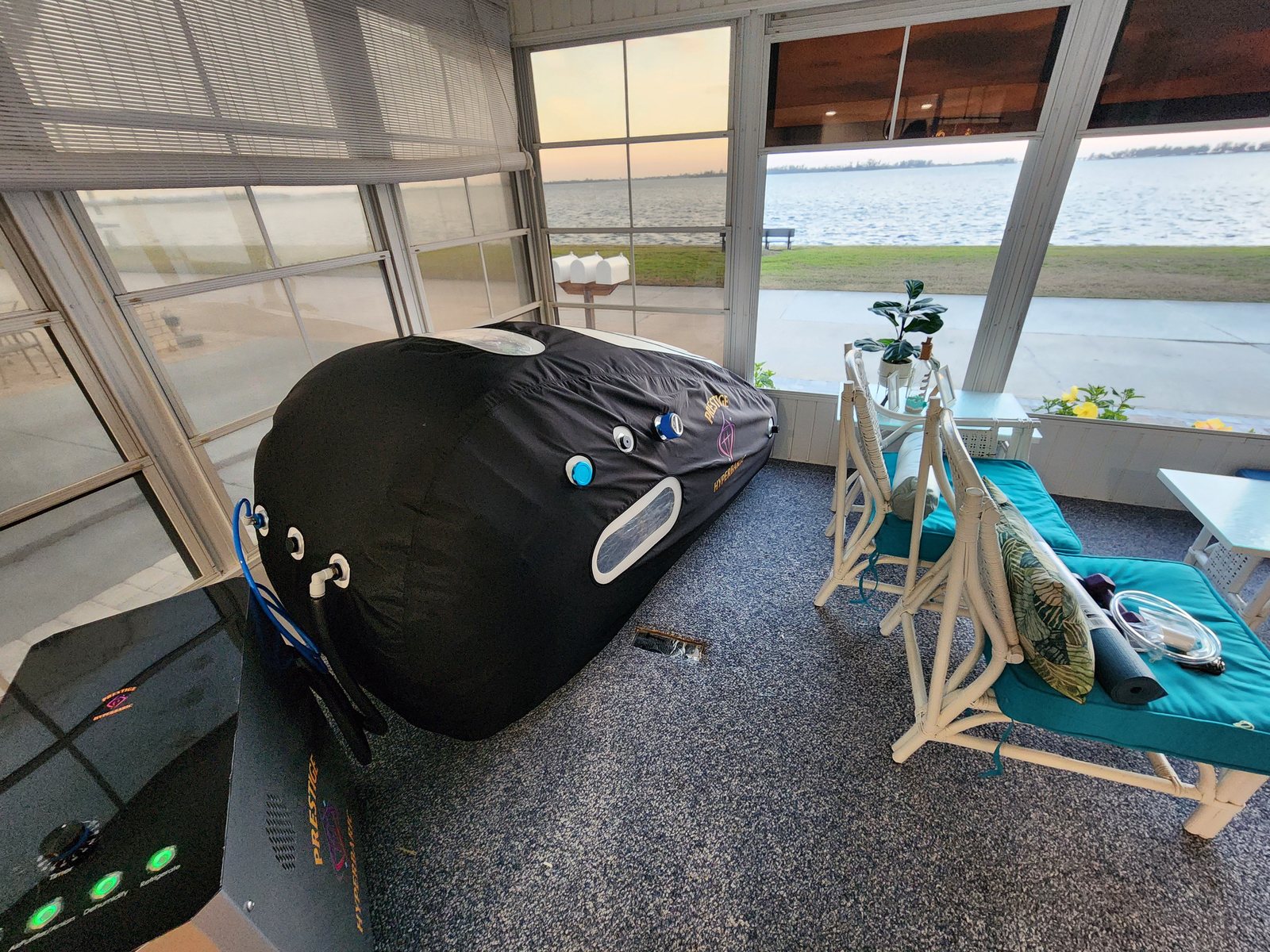
In practice, we see athletes incorporating softshell chambers like the Vessel of Power or Sphere of Power into a broader recovery routine alongside sleep, nutrition, and traditional modalities like cold plunges or sauna sessions — not as a replacement for any of them. Lower-pressure softshell sessions (up to 1.5 ATA) are the most common entry point for athletes exploring hyperbaric recovery outside a clinical setting, given their more accessible install requirements and simpler oxygen delivery via mask or hood.
Pressure, Frequency, and Realistic Expectations
We're regularly asked "what's the ideal protocol" for athletic recovery, and the honest answer is that there isn't a single validated protocol backed by strong consensus evidence the way there is for, say, decompression sickness. Pressure, session length, and frequency used in research studies vary considerably, and what's appropriate for any individual depends on their health status, goals, and guidance from a knowledgeable practitioner. Anyone telling you there's one universally "optimal" hyperbaric protocol for sports recovery is overstating the current evidence.
Recovery Stacking: Combining Modalities
Many athletes who use hyperbaric sessions also use cold plunges, infrared sauna, red light therapy, or PEMF as part of the same broader recovery routine, and we're often asked whether combining modalities produces a compounding benefit. The honest answer is that direct research on combined-modality "stacks" is even thinner than research on any single modality in isolation, so claims about a specific combined protocol outperforming any single piece are largely anecdotal rather than clinically established. What we can say from observing athletes who use our equipment regularly is that consistency across a routine — showing up for sleep, nutrition, training load management, and whichever recovery tools they choose — tends to matter more than the specific combination of modalities chosen. If you're deciding where to start, pick the modality you'll actually use consistently rather than the one with the most dramatic marketing claims attached to it.
It's also worth noting that combining an intense hyperbaric session with intense heat or cold exposure back-to-back isn't something the research directly supports as more effective than spacing them out, and from a practical standpoint, most athletes find it more comfortable to treat a hyperbaric session as its own dedicated block rather than sandwiching it between other demanding modalities.
What We Tell Athletes Who Ask Us Directly
We tell athletes considering a chamber for recovery to think of it as one tool among several, not a shortcut that replaces sleep, nutrition, and training load management. The research suggests a plausible, modest benefit for subjective recovery in some people, and a well-maintained softshell chamber used consistently as part of a broader routine is a reasonable thing to try — with realistic expectations about what it can and can't do. We'd also encourage any athlete to track their own subjective response over several weeks rather than judging a single session, since individual variation in how people respond to hyperbaric sessions appears to be considerable based on what we observe across regular users. This is educational information, not medical advice; athletes with existing medical conditions, recent surgery, or specific injuries should talk to a physician before starting hyperbaric sessions.
Frequently Asked Questions
Is hyperbaric oxygen proven to speed up athletic recovery?
The research is mixed. Some studies suggest a possible reduction in perceived muscle soreness, while others show no significant difference in objective recovery markers. It's a plausible tool, not a proven guarantee, and results likely vary by individual.
What pressure level do athletes typically use for recovery sessions?
There's no single validated 'optimal' protocol in the research. Many athletes start with lower-pressure softshell sessions up to 1.5 ATA, but the right approach depends on individual health status and should be discussed with a knowledgeable practitioner.
Should hyperbaric sessions replace other recovery methods?
No. Hyperbaric sessions are best viewed as one component of a broader recovery routine that includes sleep, nutrition, and training load management, not a replacement for any of them.
This article is educational information from equipment specialists, not medical advice. Hyperbaric oxygen therapy, red light therapy, sauna, cold plunge, and PEMF are not substitutes for care from a licensed clinician. Talk to your physician before starting any new protocol, especially if you are pregnant, have a cardiac or pulmonary condition, an implanted device, or are being managed for an active medical condition.