5 Things No One Tells You When Buying a Hyperbaric Chamber
Warranty fine print, parts availability, real installation costs, oxygen source logistics, and what "FDA cleared" actually means — the details most sales conversations skip.
Key Takeaways
- Read warranty exclusions carefully — wear items like zippers, seals, and valves are often not fully covered.
- Ask about domestic parts availability and local service support before you buy, not after something breaks.
- Budget for installation separately from the chamber price, especially electrical, ventilation, and compliance needs.
- Plan your oxygen source (concentrator, cylinder, or facility system) as part of the purchase decision, not an afterthought.
- "FDA cleared" refers to device safety/manufacturing standards for a specific indication, not a promise of personal results.
We install, service, and repair hyperbaric chambers for a living, which means we're usually the second call a buyer makes — the first being the salesperson who sold them the unit. By the time we show up, we've heard every version of "I wish someone had told me that before I bought." Here are the five things we think every buyer deserves to know upfront.
1. The Warranty Fine Print Matters More Than the Warranty Length
A "5-year warranty" sounds reassuring until you read what it actually covers. Many warranties in this industry cover the shell or frame but exclude wear items — zippers, seals, gaskets, valves, and compressor components — which are precisely the parts most likely to need attention. We've seen buyers assume a "5-year warranty" means five years of comprehensive coverage, only to discover during a service call that the actual coverage window for the specific part they need is much shorter, or that the exclusion list is long enough to cover most of what tends to fail in year two or three. Before you buy, ask three specific questions:
- What components are excluded from coverage, and what's the expected lifespan of each?
- Does the warranty cover parts only, or parts and labor?
- Who performs warranty service — does it require shipping the chamber, or is in-home/in-facility service available?
A shorter warranty with clear terms and responsive local service is usually worth more than a longer warranty that requires you to ship a chamber across the country and wait weeks for a repair.
2. Parts Availability Can Make or Break Long-Term Ownership
A chamber is a mechanical system, and mechanical systems need parts eventually. The question isn't whether you'll need a replacement zipper, seal, or valve — it's whether you can get one in a reasonable timeframe when you do. Buyers rarely ask this before purchase, and it's one of the most consequential questions you can ask:
| Question | Why It Matters |
|---|---|
| Does the manufacturer stock common wear parts domestically? | Overseas-only parts sourcing can mean weeks of downtime for a simple repair |
| Is there an authorized local service network? | Determines whether you need to self-diagnose issues or can call a trained technician |
| How long has this specific model been in production? | Discontinued or frequently redesigned models often have thinner parts support |
3. Installation Costs Are Rarely Just the Chamber Price
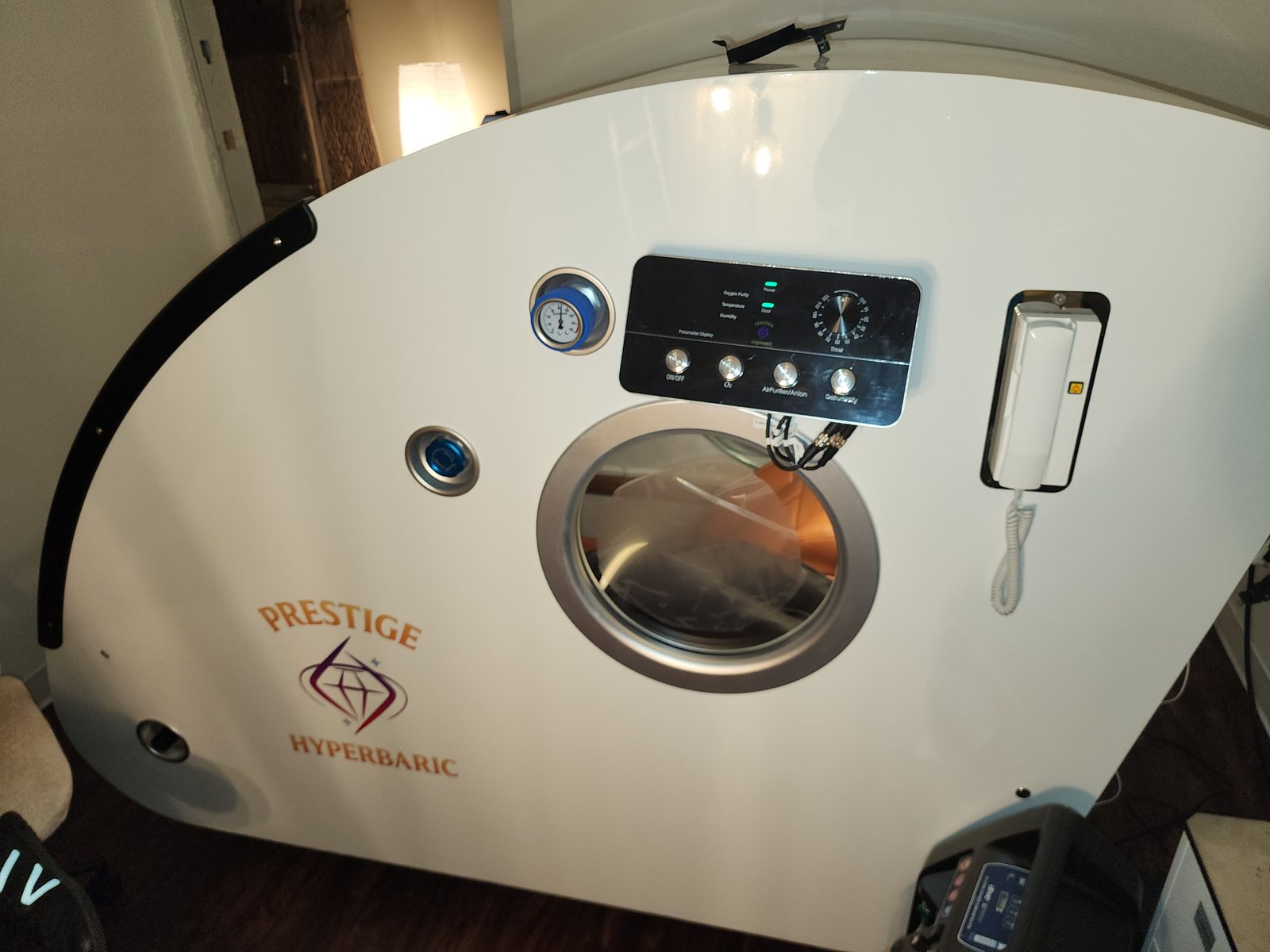
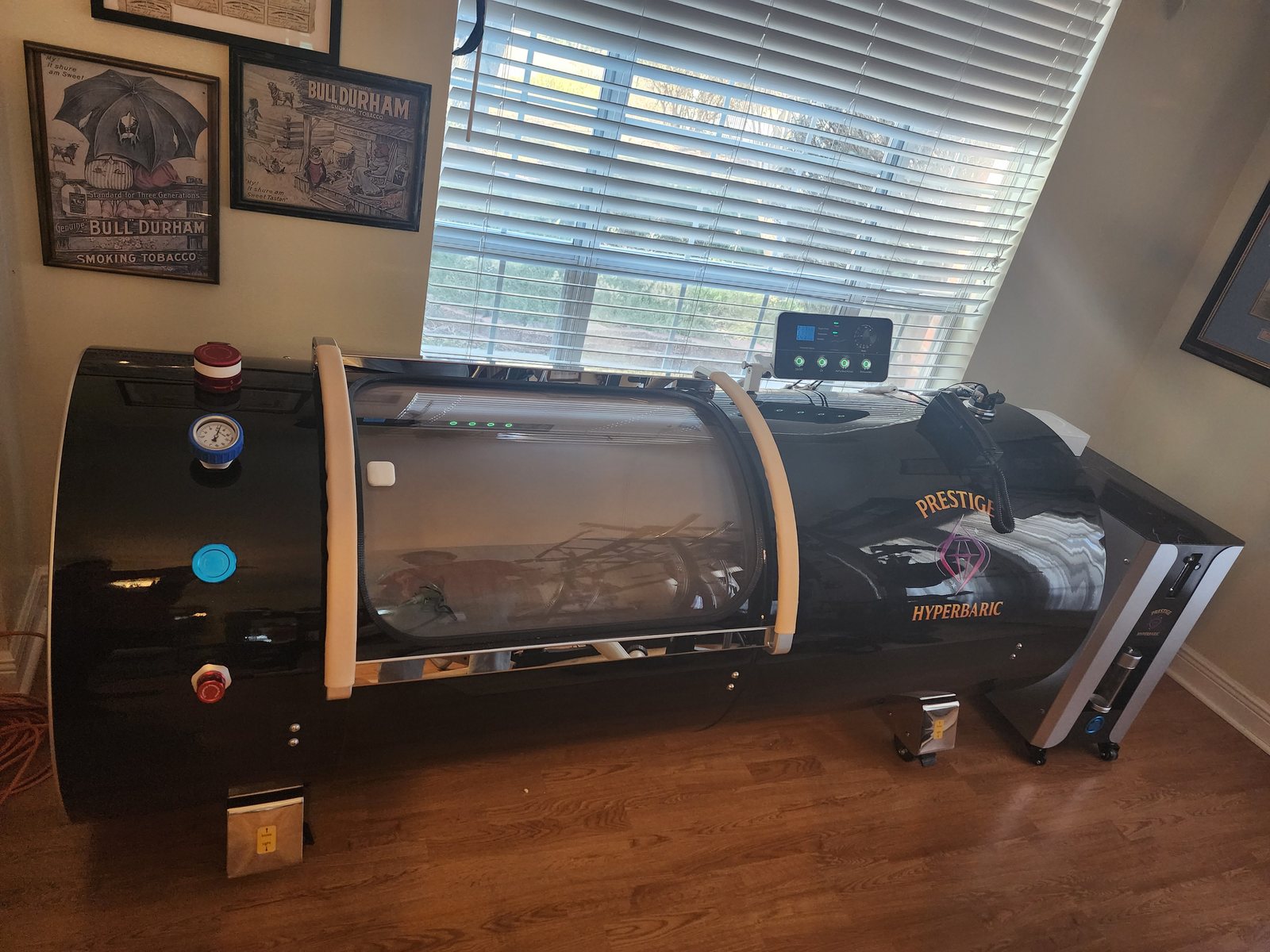
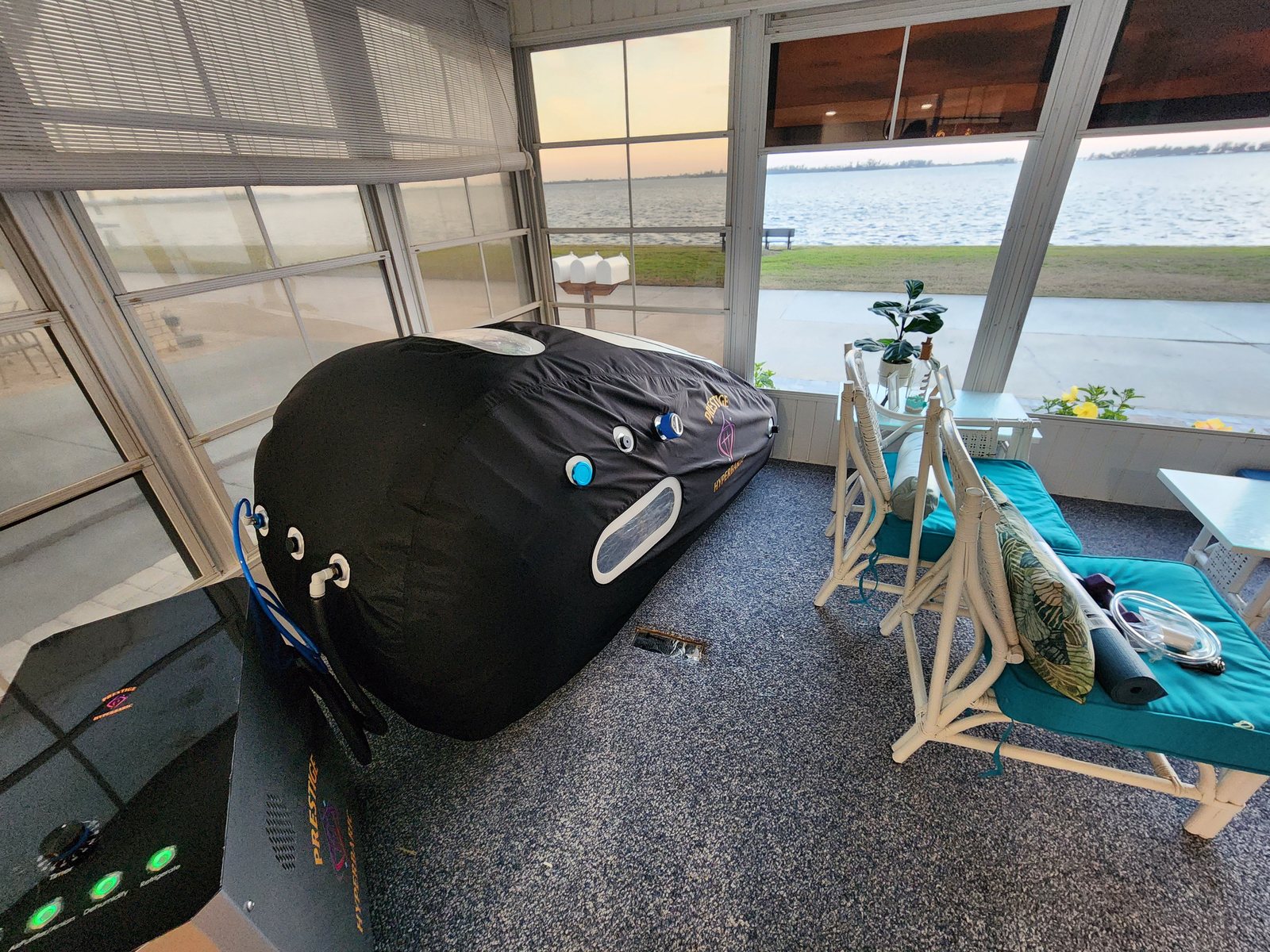
The number on the price tag is the beginning of the budget, not the end of it. Depending on the chamber type and your existing space, you may need to account for dedicated electrical circuits, floor reinforcement (particularly for larger hardshell units), room ventilation, and — for higher-pressure oxygen-enriched configurations — fire-safety compliance work that may involve items like an NFPA 99 Compliance Kit for Hyperbaric Chambers. Softshell chambers like the Vessel of Power or Sphere of Power tend to have modest installation requirements; larger hardshell chambers like the Grand Vessel of Power or multi-person Grand Pavilion of Power can require meaningfully more site preparation. Ask for a full installation estimate, not just an equipment quote, before you commit.
4. Your Oxygen Source Is a Real Logistics Decision
Many buyers focus entirely on the chamber and treat oxygen supply as an afterthought. It shouldn't be. Depending on your chamber and intended use, you may need an oxygen concentrator, cylinder delivery with a refill schedule, or a facility-grade oxygen system. Each option has different costs, different maintenance needs, and different space requirements. An oxygen concentrator, for instance, runs continuously and adds to your electrical load and ongoing noise in the room, while cylinder delivery avoids that but introduces a recurring logistics task of scheduling refills and safely storing cylinders. Before you finalize a chamber purchase, map out exactly how oxygen will be delivered on day one — not just how the chamber compresses air — and get a specific answer from your seller about which oxygen source their recommended setup assumes, rather than discovering the gap after the chamber arrives.
5. "FDA Cleared" Doesn't Mean What Most Buyers Assume
This is the one we most want buyers to understand clearly. In the United States, hyperbaric chambers are regulated as medical devices, and manufacturers may hold FDA clearance for specific chambers for specific indications. That clearance is about the device meeting safety and manufacturing standards for a defined use — it is not a blanket endorsement of every claim a seller might make about what a chamber can do for you personally. Be skeptical of any marketing that implies "FDA cleared" means "FDA has confirmed this will produce a specific outcome for you." It hasn't, and no honest seller should imply otherwise.
This is educational information, not medical advice. Any decision about using a hyperbaric chamber for a specific health condition should be made with a qualified healthcare provider, who can advise on appropriate pressure, frequency, and whether hyperbaric use is appropriate for your situation at all.
A Few More Questions Worth Asking Before You Sign
Beyond the five points above, a handful of smaller questions tend to separate a smooth purchase from a frustrating one. Ask whether the chamber you're considering has been in production long enough to have an established service history, or whether it's a newly introduced model without much of a track record. Ask whether the company selling the chamber also services what it sells, or whether service is outsourced to a third party you'd need to coordinate separately. Ask what a typical delivery and installation timeline looks like from order to first session, since lead times in this industry vary widely and can affect everything from contractor scheduling to your own planning.
It's also worth asking directly about training: does the seller walk you through startup procedures, daily checks, and basic troubleshooting before leaving you with the equipment, or do you receive a manual and a phone number? A seller who includes hands-on orientation as part of the purchase is investing in your long-term success with the equipment, not just the sale itself.
Putting It All Together Before You Buy
None of these points are meant to talk anyone out of a purchase — hyperbaric chambers are legitimate, well-engineered pieces of equipment when they're bought, installed, and maintained correctly. But "correctly" starts with asking harder questions than "how much does it cost and how fast can you ship it." Ask about warranty exclusions, parts sourcing, real installation costs, oxygen logistics, what regulatory language actually means, and how the seller supports you after the sale. A seller who answers these questions clearly and patiently, and who stands behind the equipment with real service infrastructure, is one you can trust with a purchase this significant. Take your time, compare more than one seller's answers to these same questions, and don't let a compressed sales timeline push you into skipping this due diligence.
Frequently Asked Questions
What's the biggest hidden cost when buying a hyperbaric chamber?
Installation is the most commonly underestimated cost. Electrical work, ventilation, floor preparation for larger units, and fire-safety compliance items can add significantly to the total budget beyond the chamber's sticker price.
Does FDA clearance mean a chamber will produce specific results?
No. FDA clearance means a device met defined safety and manufacturing standards for a specific indication — it is not a guarantee of outcomes for any individual user. This is educational information, not medical advice, and any health-related decision should involve a qualified provider.
Why does parts availability matter so much for chamber ownership?
Chambers are mechanical systems with wear items like zippers, seals, and valves that eventually need replacement. If parts are only sourced overseas or the service network is thin, a simple repair can turn into weeks of downtime.
This article is educational information from equipment specialists, not medical advice. Hyperbaric oxygen therapy, red light therapy, sauna, cold plunge, and PEMF are not substitutes for care from a licensed clinician. Talk to your physician before starting any new protocol, especially if you are pregnant, have a cardiac or pulmonary condition, an implanted device, or are being managed for an active medical condition.