Cold Plunge Temperature & Duration: The Protocol Guide
There's no single magic number for cold plunge temperature or duration. Here's how to think about both, based on what the research and daily use actually show.
Key Takeaways
- Cold plunge temperature (typically 50–65°F) and duration work together — colder water pairs with shorter sessions.
- Beginners should start milder and shorter (e.g., 55–60°F for 1–3 minutes) and progress gradually.
- Some evidence suggests separating cold plunge from strength training by several hours if muscle-building adaptation is the primary goal.
- Watch for warning signs like persistent numbness, uncontrollable shivering, or dizziness — these mean stop, not push through.
- Consistency at a moderate protocol beats an extreme protocol that's hard to sustain.
Cold plunge protocols get treated online like there's one scientifically validated formula everyone should follow. There isn't. What the research and our own daily use of cold plunge equipment actually show is a range of reasonable approaches, with temperature and duration trading off against each other, and individual tolerance mattering as much as any specific number.
There Is No Single "Correct" Temperature
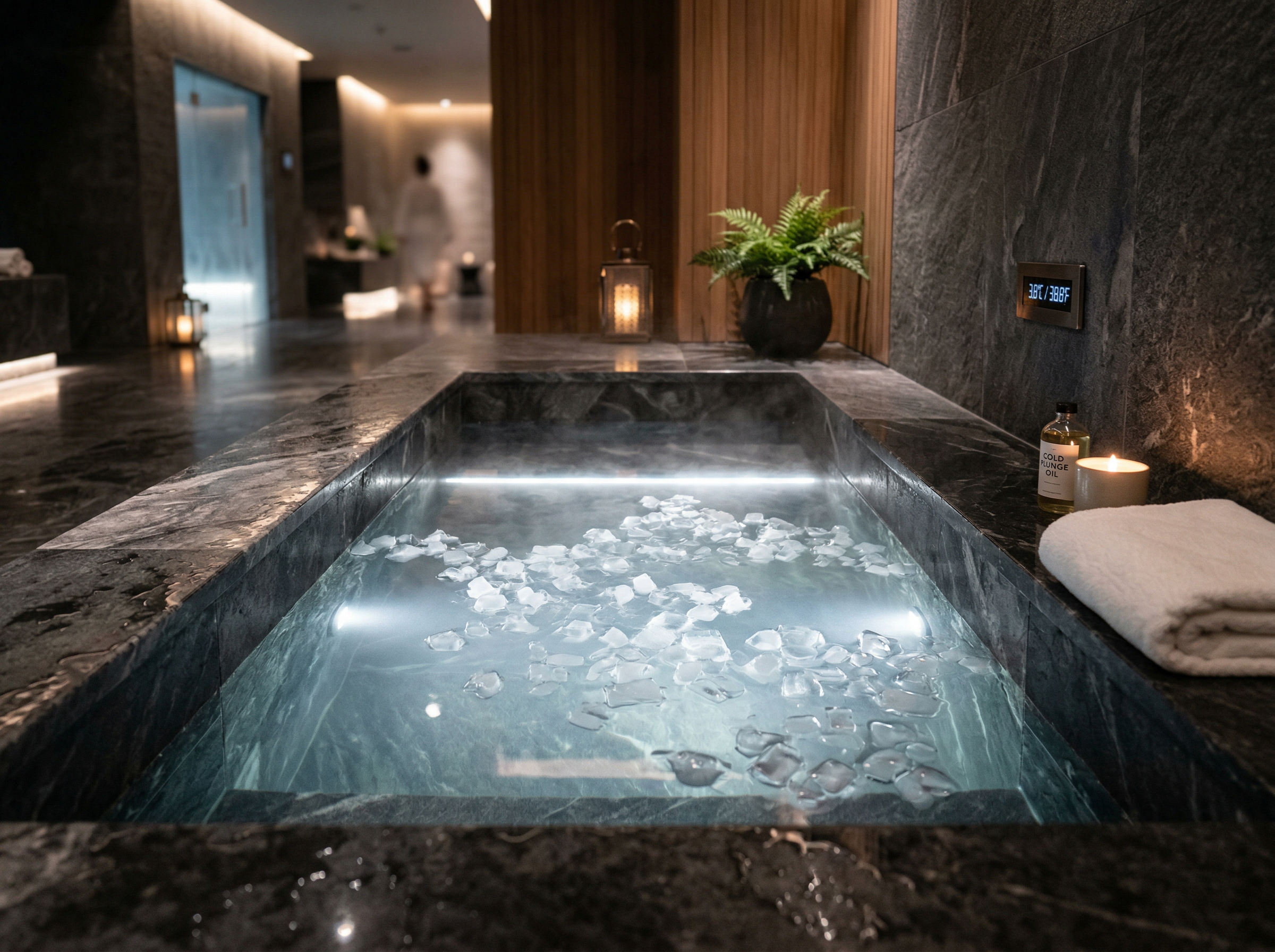
Cold plunge temperatures used in research and in practice generally range from about 50°F to 59°F (10°C to 15°C), with some protocols going colder and some warmer. Colder water produces a more intense response in less time; milder cold allows for longer sessions. Neither is inherently "correct" — they represent different trade-offs, and the right temperature for you depends on your tolerance, experience level, and goals. Much of the online conversation around cold plunging treats a single extreme temperature as the gold standard, largely because it makes for a more dramatic video clip, not because the research points to one specific number as superior for most people's goals.
| Temperature Range | Typical Duration | General Characteristics |
|---|---|---|
| 59–65°F (15–18°C) | 5–10 minutes | More accessible for beginners; longer exposure needed for similar intensity |
| 50–59°F (10–15°C) | 2–5 minutes | Common range referenced in cold-water immersion research |
| Below 50°F (10°C) | Under 2–3 minutes | More intense response; typically reserved for experienced users |
How Temperature and Duration Interact
Temperature and duration aren't independent variables — they work together. A shorter session at a colder temperature can produce a comparable subjective intensity to a longer session at a milder temperature. This is why a beginner asking "what's the ideal temperature" is asking half the question; duration has to be part of the same decision. Our Prestige Hyperbaric Luxury Cold Plunge line (available in Small 75-gallon, Medium 110-gallon, Large 150-gallon, and Duo 190-gallon configurations) lets users dial in precise, consistent temperatures, which makes it much easier to build a repeatable protocol than relying on ice and a tub with fluctuating conditions.
A Reasonable Starting Range for Beginners
For someone new to cold water immersion, we generally see people start in the 55–60°F range for 1–3 minutes, and adjust from there based on how their body responds. Starting milder and shorter, then progressing gradually, is a far more sustainable approach than jumping straight into the coldest, longest protocol you've seen a public figure post about online. Cold water immersion triggers a real, sometimes intense physiological stress response — rapid breathing, elevated heart rate, and a strong urge to exit the water — and that response should be respected, not powered through recklessly.
Building Up Safely Over Time
- Start mild, start short. A few minutes at a higher end of the cold range is enough to begin.
- Progress gradually. Adjust temperature or duration incrementally over weeks, not within a single session.
- Prioritize consistent breathing. The initial "gasp response" is normal; learning to control breathing is often more valuable than chasing colder water.
- Never plunge alone if you're new to it, and never plunge under the influence of alcohol or sedatives.
Timing: Before or After Training?
This is one of the more debated questions in the space. Some research suggests that cold water immersion immediately after strength training may blunt some of the muscle adaptation signaling associated with resistance training, which has led some coaches to recommend separating cold plunge sessions from strength work by several hours. For general recovery, stress management, or use after endurance training, timing appears to be more flexible. If your primary goal is maximizing strength or hypertrophy gains, it's worth considering plunge timing relative to training; if your goals are more general — stress management, a morning routine, or general recovery rather than maximizing muscle growth from a specific training block — the timing question matters less, and using the plunge whenever it fits your schedule is a reasonable approach.
Signs You're Overdoing It
Cold plunging is not a "more is always better" activity. Watch for:
- Numbness that persists well after exiting the water
- Uncontrollable shivering that doesn't subside with normal warming
- Skin that looks unusually pale, blotchy, or hard
- Dizziness, confusion, or slurred speech (seek medical attention immediately if these occur)
These are signs to shorten sessions, raise the temperature, or stop altogether, not to push through.
Consistency and Temperature Control
One underrated factor in building a workable cold plunge habit is simply having consistent, repeatable water temperature. Ice baths that rely on manually adding ice tend to drift in temperature over the course of a session and vary from one day to the next depending on how much ice was used and how long it's been sitting, which makes it hard to know whether a stronger or weaker response on a given day is due to your body or to inconsistent water conditions. A chiller-equipped unit like our Prestige Hyperbaric Luxury Cold Plunge maintains a set temperature throughout the session, which removes that variable and makes it much easier to track your own response to a protocol over time, since the water conditions are the same every time you get in. This matters more than people expect when you're trying to build a genuine, evidence-informed sense of how your own body responds to a given temperature and duration, rather than guessing based on an inconsistent setup.
Tank size is also worth planning around realistically. The Small (75-gallon) and Medium (110-gallon) options suit single users with more modest space, while the Large (150-gallon) and Duo (190-gallon) configurations accommodate taller individuals or two people using the unit in sequence or, in the Duo's case, at once. Matching tank size to your actual household use case avoids either cramming into an undersized unit or paying for capacity you won't use.
Setting Up Your Own Protocol
A workable approach for most people looking to build a sustainable cold plunge habit: pick a temperature in the 55–60°F range to start, keep sessions to 2–5 minutes, and track how you feel over several weeks before adjusting either variable. Consistency matters more than intensity — a moderate protocol you actually do three or four times a week will likely serve you better than an extreme protocol you dread and skip. This is educational information, not medical advice. Anyone with cardiovascular conditions, Raynaud's phenomenon, or other circulatory concerns should talk to a physician before starting cold water immersion.
Frequently Asked Questions
What's the ideal cold plunge temperature?
There isn't one universal ideal temperature. Most protocols fall between 50–59°F (10–15°C), with colder temperatures paired with shorter durations and milder temperatures allowing longer sessions. The right choice depends on experience level and tolerance.
How long should a beginner stay in a cold plunge?
Beginners often start with 1–3 minutes in the 55–60°F range and build up gradually over several weeks as tolerance develops. Starting shorter and milder is safer than beginning with an extreme protocol.
Should I cold plunge before or after a workout?
Some research suggests cold water immersion right after strength training may blunt certain muscle-building signals, so some coaches recommend separating the two by several hours. For general recovery or after endurance training, timing tends to matter less.
This article is educational information from equipment specialists, not medical advice. Hyperbaric oxygen therapy, red light therapy, sauna, cold plunge, and PEMF are not substitutes for care from a licensed clinician. Talk to your physician before starting any new protocol, especially if you are pregnant, have a cardiac or pulmonary condition, an implanted device, or are being managed for an active medical condition.